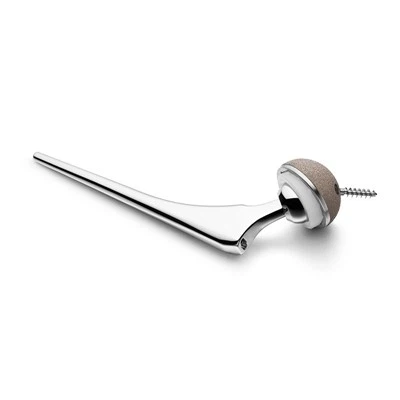
What are the potential vascular injuries associated with a Straight Metacarpal Plate implantation?
As a supplier of Straight Metacarpal Plates, I've witnessed firsthand the transformative impact these medical devices can have on patients' lives. However, like any surgical intervention, the implantation of a Straight Metacarpal Plate is not without risks. One of the most concerning complications is the potential for vascular injuries. In this blog post, I'll explore the various types of vascular injuries that can occur during and after the implantation of a Straight Metacarpal Plate, the factors that contribute to these injuries, and the steps that can be taken to minimize their occurrence.
Types of Vascular Injuries
Vascular injuries associated with Straight Metacarpal Plate implantation can be broadly categorized into two types: arterial and venous. Arterial injuries involve damage to the arteries, which are responsible for carrying oxygenated blood from the heart to the tissues. Venous injuries, on the other hand, involve damage to the veins, which carry deoxygenated blood back to the heart.
Arterial Injuries
- Laceration: This is the most common type of arterial injury during Straight Metacarpal Plate implantation. It occurs when the sharp edges of the plate or the surgical instruments accidentally cut through an artery. Lacerations can lead to significant blood loss and may require immediate surgical repair.
- Compression: The plate or screws used in the implantation process can sometimes compress an artery, reducing blood flow to the surrounding tissues. This can cause ischemia (lack of blood supply), which can lead to tissue damage and necrosis if not addressed promptly.
- Thrombosis: Trauma to the arterial wall during surgery can trigger the formation of blood clots (thrombosis). These clots can block the artery, preventing blood flow and causing ischemia.
Venous Injuries
- Laceration: Similar to arterial lacerations, venous lacerations can occur when the surgical instruments or the plate cut through a vein. While venous lacerations generally result in less severe blood loss compared to arterial lacerations, they can still cause significant bleeding and may require repair.
- Compression: Compression of a vein by the plate or screws can impede venous return, leading to swelling and congestion in the affected area. This can increase the risk of developing deep vein thrombosis (DVT), a potentially life - threatening condition where blood clots form in the deep veins of the extremities.
- Thrombosis: Venous thrombosis can also occur as a result of surgical trauma. It can lead to swelling, pain, and in severe cases, pulmonary embolism if the clot breaks loose and travels to the lungs.
Factors Contributing to Vascular Injuries
Several factors can increase the risk of vascular injuries during Straight Metacarpal Plate implantation:
Surgical Technique
- Inexperience: Surgeons who are less experienced in performing metacarpal plate implantations may be more likely to cause vascular injuries. Lack of familiarity with the anatomical structures in the hand and improper handling of the surgical instruments can increase the risk of accidental damage to the blood vessels.
- Poor Placement: Incorrect placement of the plate or screws can lead to compression or laceration of the blood vessels. For example, if the plate is placed too close to an artery or vein, it can cause mechanical damage.
Patient - Related Factors
- Anatomical Variations: Some patients may have anatomical variations in the blood vessels of the hand. These variations can make it more difficult for the surgeon to identify and avoid the blood vessels during surgery, increasing the risk of injury.
- Pre - existing Vascular Conditions: Patients with pre - existing vascular conditions such as atherosclerosis (hardening of the arteries) or vasculitis (inflammation of the blood vessels) are at a higher risk of vascular injuries. These conditions can make the blood vessels more fragile and prone to damage.
Plate Design and Quality
- Sharp Edges: Plates with sharp edges or rough surfaces are more likely to cause lacerations to the blood vessels during implantation. High - quality plates with smooth edges and proper finishing can help reduce this risk.
- Inappropriate Size: Using a plate that is too large or too small for the patient's metacarpal bone can increase the risk of vascular injuries. An oversized plate may compress the blood vessels, while an undersized plate may not provide adequate stability, leading to movement and potential damage to the vessels.
Minimizing the Risk of Vascular Injuries
To minimize the risk of vascular injuries during Straight Metacarpal Plate implantation, the following steps can be taken:
Pre - operative Planning
- Detailed Imaging: Pre - operative imaging studies such as X - rays, CT scans, and MRI can provide detailed information about the patient's anatomy, including the location and course of the blood vessels. This can help the surgeon plan the surgery more accurately and avoid potential vascular damage.
- Patient Evaluation: A thorough evaluation of the patient's medical history, including any pre - existing vascular conditions, is essential. This can help identify patients who are at a higher risk of vascular injuries and allow for appropriate precautions to be taken.
Surgical Technique
- Microsurgical Skills: Surgeons should have advanced microsurgical skills to identify and protect the blood vessels during the implantation process. Magnification devices such as operating microscopes can be used to improve visualization and reduce the risk of accidental injury.
- Proper Placement: The plate and screws should be placed carefully, taking into account the location of the blood vessels. The surgeon should use anatomical landmarks and imaging studies to guide the placement and ensure that the plate does not compress or lacerate the vessels.
Plate Selection
- High - Quality Plates: As a supplier, I always recommend using high - quality Straight Metacarpal Plates. Our 1.5 mm Buttress Locking Plate, T Shape Maxillofacial Plate, and Straight Maxillofacial Plate are designed with smooth edges and precise dimensions to minimize the risk of vascular injuries.
- Appropriate Size: Selecting the appropriate size of the plate is crucial. The plate should fit the patient's metacarpal bone snugly without causing excessive pressure on the surrounding tissues.
Post - operative Monitoring
- Clinical Assessment: After the surgery, the patient should be closely monitored for signs of vascular compromise, such as pain, swelling, discoloration, and decreased pulse. Any signs of vascular injury should be addressed immediately.
- Imaging Studies: Follow - up imaging studies may be necessary to assess the position of the plate and the integrity of the blood vessels. This can help detect any potential complications early and allow for timely intervention.
Conclusion
While the implantation of a Straight Metacarpal Plate is a common and effective treatment for metacarpal fractures, it is important to be aware of the potential vascular injuries associated with this procedure. By understanding the types of vascular injuries, the factors that contribute to them, and the steps that can be taken to minimize their occurrence, surgeons can improve the safety and outcomes of Straight Metacarpal Plate implantations.


As a supplier of high - quality orthopedic implants, I am committed to providing products that are designed to minimize the risk of complications, including vascular injuries. If you are interested in learning more about our Straight Metacarpal Plates or other orthopedic implants, I encourage you to reach out to us for a detailed discussion and to explore potential procurement opportunities. We are eager to engage in productive conversations with medical professionals and institutions to ensure the best possible care for patients.
References
- Jupiter JB, Ring D. Fractures of the Hand and Wrist. Lippincott Williams & Wilkins; 2011.
- Gelberman RH, et al. Operative Nerve Repair and Reconstruction. Lippincott Williams & Wilkins; 2015.
- Szabo RM, Rayan GM. Atlas of Hand Surgery. Saunders; 2010.