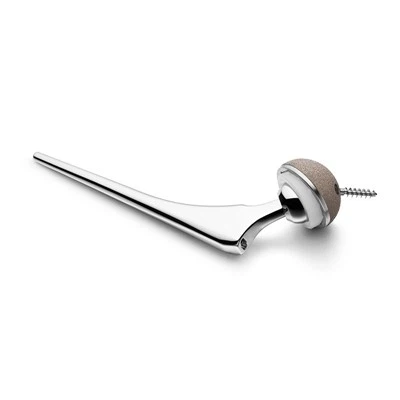
Hip replacement surgery is a common and effective treatment for individuals suffering from severe hip joint damage, often due to arthritis, fractures, or other degenerative conditions. As a leading supplier of hip replacement implants, we are deeply invested in understanding how these implants interact with the human body, particularly in terms of their impact on bone density.
Understanding Bone Density
Bone density refers to the amount of bone mineral content in a given volume of bone. It is a crucial factor in determining bone strength and the risk of fractures. Throughout life, bones undergo a continuous process of remodeling, where old bone is broken down by cells called osteoclasts, and new bone is formed by osteoblasts. This dynamic process is influenced by various factors, including age, gender, diet, physical activity, and hormonal balance.
In the context of hip replacement surgery, changes in bone density around the implant can have significant implications for the long - term stability and success of the prosthesis. Understanding these changes is essential for optimizing implant design, surgical techniques, and patient outcomes.
Types of Hip Replacement Implants and Their Impact on Bone Density
Cemented Hip Replacement Implants
Cemented hip replacement implants, such as our SS Cemented Hip Replacement, use a special bone cement to fix the implant to the bone. The cement provides immediate stability, allowing patients to bear weight on the new hip joint soon after surgery.
However, cemented implants can also have an impact on bone density. Over time, the cement - bone interface may undergo mechanical and biological changes. The stress shielding effect is a common phenomenon associated with cemented implants. When the implant takes on a significant portion of the load that would normally be borne by the bone, the bone is exposed to less mechanical stress. According to Wolff's law, bone remodels in response to mechanical stress, so reduced stress can lead to bone resorption and a decrease in bone density around the implant.
Several studies have shown that in the early postoperative period, there may be a slight decrease in bone density around the cemented implant. However, in the long term, the stability provided by the cement can help maintain a relatively stable bone - implant interface. The key to minimizing the negative impact on bone density with cemented implants lies in proper surgical technique, ensuring an optimal fit of the implant, and appropriate postoperative rehabilitation.
Cementless Hip Replacement Implants
Cementless hip replacement implants, including our Latest Cementless Hip Replacement Implant and Cementless Hip Replacement, rely on bone ingrowth or on - growth to achieve fixation. These implants are typically made of porous materials that allow bone cells to grow into the implant surface, creating a biological bond between the implant and the bone.
One of the advantages of cementless implants is that they can potentially preserve bone density better than cemented implants. By allowing the bone to grow into the implant, the implant - bone interface can better distribute the mechanical load, reducing the stress shielding effect. In the early postoperative period, there may be some bone resorption as the body remodels the bone around the implant. However, as the bone ingrowth progresses, the bone density around the implant can increase over time.
Clinical studies have demonstrated that well - designed cementless implants can lead to successful bone integration and long - term maintenance of bone density. The surface characteristics of the implant, such as porosity, pore size, and surface roughness, play a crucial role in promoting bone ingrowth and optimizing the implant - bone interaction.
Factors Affecting the Impact of Hip Replacement Implants on Bone Density
Patient - Specific Factors
Patient - specific factors can significantly influence how hip replacement implants affect bone density. Age is an important factor, as older patients generally have lower baseline bone density and a reduced capacity for bone remodeling. Gender also plays a role, with women being more prone to osteoporosis and bone loss.


Medical conditions such as osteoporosis, diabetes, and hormonal imbalances can further affect bone density and the body's response to the implant. For example, patients with osteoporosis may have a higher risk of bone loss around the implant, and appropriate treatment to improve bone density may be necessary before and after surgery.
Lifestyle factors, including smoking, excessive alcohol consumption, and a sedentary lifestyle, can also have a negative impact on bone health. Encouraging patients to adopt a healthy lifestyle, including regular physical activity and a balanced diet rich in calcium and vitamin D, can help maintain bone density after hip replacement surgery.
Surgical Technique
The surgical technique used in hip replacement surgery is critical in determining the impact on bone density. Proper implant positioning is essential to ensure optimal load distribution and minimize stress shielding. A well - placed implant will allow the bone to experience appropriate mechanical stress, promoting bone remodeling and maintaining bone density.
The amount of bone removed during surgery also affects bone density. Excessive bone removal can weaken the remaining bone structure and increase the risk of bone loss. Surgeons must balance the need for implant fixation with the preservation of healthy bone tissue.
Implant Design and Material
The design and material of the hip replacement implant have a direct impact on bone density. As mentioned earlier, the surface characteristics of cementless implants are crucial for promoting bone ingrowth. In addition, the shape and geometry of the implant can affect load transfer and stress distribution.
The choice of implant material also matters. Titanium and its alloys are commonly used in hip replacement implants due to their excellent biocompatibility and mechanical properties. These materials can promote bone - implant integration and help maintain bone density. Other materials, such as cobalt - chromium alloys, also have their advantages in terms of wear resistance and strength.
Monitoring and Managing Bone Density After Hip Replacement
Regular monitoring of bone density after hip replacement surgery is essential to detect any changes early and take appropriate measures. Dual - energy X - ray absorptiometry (DXA) is a commonly used method for measuring bone density. It can provide quantitative information about bone mineral content and help assess the risk of fractures.
If a decrease in bone density is detected, various treatment options may be considered. Pharmacological interventions, such as bisphosphonates, can be used to inhibit bone resorption and increase bone density. Physical therapy and exercise programs can also help stimulate bone remodeling and improve muscle strength, which in turn can support the hip joint and maintain bone density.
Conclusion
As a supplier of hip replacement implants, we recognize the importance of understanding how our products affect bone density. Both cemented and cementless hip replacement implants have their unique characteristics and impacts on bone density. By considering patient - specific factors, optimizing surgical techniques, and continuously improving implant design and materials, we can minimize the negative effects on bone density and improve the long - term outcomes of hip replacement surgery.
If you are interested in learning more about our hip replacement implants or would like to discuss potential procurement opportunities, we encourage you to reach out to us. Our team of experts is ready to provide you with detailed information and support to meet your needs.
References
- Eckstein F, et al. "The role of in vivo bone strain measurements in understanding the mechanical environment of the hip joint." Journal of Biomechanics.
- Harris WH. "Trauma and the hip: a review of the past decade." Clinical Orthopaedics and Related Research.
- Mont MA, et al. "The effect of hip resurfacing on bone density." Journal of Bone and Joint Surgery.