

Determining whether you need an L Shape Metacarpal Plate is a crucial decision that involves understanding the nature of hand injuries, the function of the metacarpal bones, and the role of the plate in the healing process. As a supplier of high - quality L Shape Metacarpal Plates, I am here to provide you with comprehensive information to help you make an informed choice.
Understanding the Metacarpal Bones
The metacarpal bones are the five long bones in the palm of the hand that connect the wrist to the fingers. They play a vital role in hand function, enabling us to grip, grasp, and perform fine motor tasks. Injuries to the metacarpal bones can occur due to various reasons, such as sports - related accidents, falls, or direct blows to the hand. Fractures are the most common type of metacarpal injury, and they can significantly impact hand mobility and functionality.

Types of Metacarpal Fractures
There are different types of metacarpal fractures, each with its own characteristics and treatment requirements. Some of the common types include:
- Transverse fractures: These fractures occur across the bone, usually due to a direct blow.
- Oblique fractures: The break occurs at an angle across the bone, often resulting from a twisting force.
- Spiral fractures: Caused by a rotational force, these fractures have a spiral pattern around the bone.
- Comminuted fractures: In this type, the bone breaks into multiple fragments, which can be more challenging to treat.
When an L Shape Metacarpal Plate May Be Necessary
The decision to use an L Shape Metacarpal Plate depends on several factors related to the fracture. Here are some situations where an L Shape Metacarpal Plate might be the appropriate choice:
- Complex fractures: In cases of comminuted or oblique fractures, where the bone fragments need to be precisely aligned and stabilized, an L Shape Metacarpal Plate can provide the necessary support. The plate is designed to fit the anatomical shape of the metacarpal bone, allowing for better fixation and reducing the risk of malunion.
- Fractures near the joint: Fractures that occur close to the metacarpophalangeal (MCP) or carpometacarpal (CMC) joints require careful management to preserve joint function. An L Shape Metacarpal Plate can be used to secure the bone fragments and maintain proper alignment, minimizing the risk of joint stiffness and arthritis in the long term.
- Multiple fractures: When there are multiple metacarpal fractures, an L Shape Metacarpal Plate can be used to stabilize the bones simultaneously. This helps in reducing the overall treatment time and improving the chances of a successful recovery.
Comparison with Other Plates
It's important to note that there are other types of plates available for metacarpal fractures, such as the Straight Metacarpal Plate and the 1.5 mm Condylar Locking Plate. The choice between these plates depends on the specific characteristics of the fracture.
A straight metacarpal plate is suitable for simple transverse fractures where the bone alignment is relatively straightforward. It provides linear support along the bone. On the other hand, the 1.5 mm Condylar Locking Plate is designed for fractures near the condyles of the metacarpal bone, offering enhanced stability in these critical areas.
The L Shape Metacarpal Plate, however, offers a unique advantage in cases where the fracture pattern requires both longitudinal and angular support. Its L - shaped design allows for better adaptation to the complex anatomy of the metacarpal bone, especially in the area where the bone bends.
The Role of the L Shape Metacarpal Plate in the Healing Process
Once the L Shape Metacarpal Plate is surgically implanted, it serves several important functions during the healing process:
- Stabilization: The plate holds the bone fragments in place, preventing them from moving and ensuring proper alignment. This is crucial for the formation of new bone tissue and the healing of the fracture.
- Load - sharing: By taking on some of the mechanical stress that the bone would normally bear, the plate allows the fractured bone to heal without being subjected to excessive forces. This promotes a more efficient healing process.
- Early mobilization: With the stability provided by the plate, patients can often start early mobilization exercises, which helps in preventing joint stiffness and muscle atrophy. This can lead to a faster recovery and better long - term hand function.
Our L Shape Metacarpal Plate Features
As a supplier, we take pride in offering L Shape Metacarpal Plates with the following features:
- High - quality material: Our plates are made from biocompatible materials that are well - tolerated by the body. This reduces the risk of adverse reactions and ensures long - term stability.
- Precise design: The L - shape is carefully designed to match the anatomical contours of the metacarpal bone, providing a perfect fit and optimal fixation.
- Variety of sizes: We offer a range of sizes to accommodate different patient needs and fracture types, ensuring that the right plate can be selected for each case.
Other Related Products
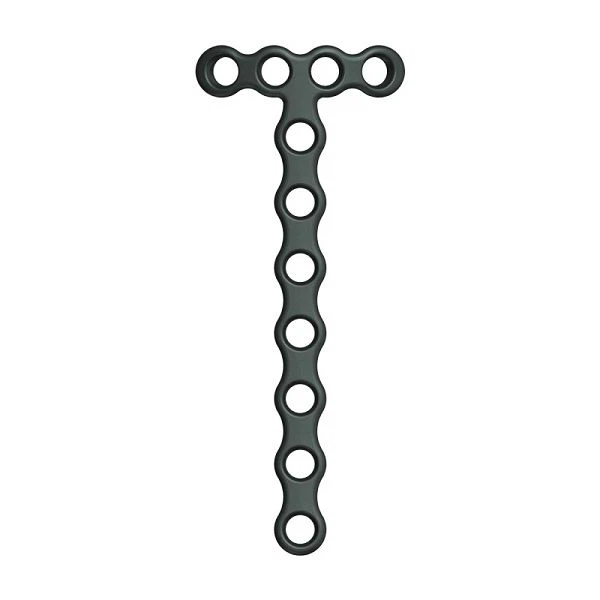
In addition to the L Shape Metacarpal Plate, we also supply other related trauma implants, such as the T Shape Maxillofacial Plate. This plate is used in maxillofacial surgeries for fractures in the facial bones, providing similar benefits of stability and support during the healing process.
Making the Decision
If you are a medical professional dealing with metacarpal fractures, it's essential to carefully evaluate each patient's case. Consider factors such as the type and location of the fracture, the patient's age and overall health, and the expected functional outcome. In cases where an L Shape Metacarpal Plate seems appropriate, our products can offer a reliable solution.
Contact for Procurement
If you are interested in learning more about our L Shape Metacarpal Plates or other trauma implants, we encourage you to reach out to us for procurement and further discussions. Our team of experts is ready to assist you in finding the right products for your needs.
References
- Bucholz, R. W., Heckman, J. D., Court - Brown, C. M., & Tornetta, P. (Eds.). (2017). Rockwood and Green's Fractures in Adults. Lippincott Williams & Wilkins.
- Jupiter, J. B., & Ring, D. (2011). Fractures of the Hand and Wrist. Lippincott Williams & Wilkins.






