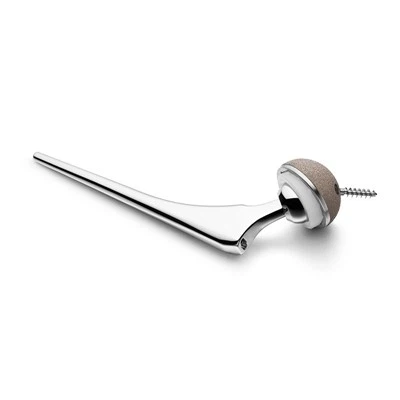
Maintaining the longevity of knee replacement implants is a crucial concern for both patients and healthcare providers. As a supplier of knee replacement implants, I understand the significance of this topic and am committed to providing high-quality products that offer long-term performance. In this blog, I will share some insights on how to maintain the longevity of knee replacement implants, based on scientific research and industry best practices.
Understanding Knee Replacement Implants
Before delving into the maintenance strategies, it's important to have a basic understanding of knee replacement implants. There are different types of knee replacement implants available in the market, each designed to address specific needs and conditions. For instance, the High-Flexion Total Knee Replacement Implant is engineered to provide greater range of motion, which is particularly beneficial for patients who require high levels of flexion in their daily activities. On the other hand, Titanium Knee Replacement Implants are known for their strength and durability, making them a popular choice for many patients. Complete Knee Replacements involve replacing the entire knee joint, while partial knee replacements target only the damaged part of the joint.
Factors Affecting the Longevity of Knee Replacement Implants
Several factors can influence the longevity of knee replacement implants. These include:
- Patient's Lifestyle: A patient's lifestyle plays a significant role in the lifespan of the implant. Activities such as high-impact sports, heavy lifting, and excessive weight-bearing can put additional stress on the implant, potentially leading to premature wear and tear. Patients are generally advised to avoid such activities and engage in low-impact exercises like swimming, cycling, and walking.
- Implant Design and Material: The design and material of the implant are crucial factors. Advanced implant designs are engineered to mimic the natural movement of the knee joint, reducing stress on the implant and surrounding tissues. High-quality materials, such as titanium and cobalt-chromium alloys, are more resistant to wear and corrosion, which can extend the lifespan of the implant.
- Surgical Technique: The skill and experience of the surgeon performing the knee replacement surgery are also important. A well-performed surgery ensures proper alignment and positioning of the implant, which is essential for its long-term stability and function.
- Post - operative Care: Proper post - operative care is vital for the success of the knee replacement. This includes following the rehabilitation program, taking prescribed medications, and attending regular follow - up appointments with the healthcare provider.
Strategies to Maintain the Longevity of Knee Replacement Implants
Pre - operative Considerations
- Patient Education: Before the surgery, patients should be educated about the knee replacement procedure, the expected outcomes, and the lifestyle changes required for the long - term success of the implant. This includes information on weight management, appropriate exercise, and avoiding activities that can damage the implant.
- Medical Optimization: Patients should be in the best possible health before the surgery. This may involve controlling chronic conditions such as diabetes, hypertension, and obesity, as these conditions can increase the risk of complications and affect the longevity of the implant.
Intra - operative Considerations
- Surgeon Selection: Choosing an experienced and skilled orthopedic surgeon is crucial. Surgeons with a high volume of knee replacement surgeries are more likely to have better outcomes and fewer complications.
- Implant Selection: The surgeon should select the most appropriate implant for the patient based on their age, activity level, and the condition of the knee joint. This ensures that the implant is well - suited to the patient's needs and can provide long - term functionality.
Post - operative Considerations
- Rehabilitation: A comprehensive rehabilitation program is essential for the recovery and long - term success of the knee replacement. This typically includes physical therapy to strengthen the muscles around the knee, improve range of motion, and enhance balance and coordination. Patients should follow the rehabilitation program as prescribed by their healthcare provider.
- Weight Management: Maintaining a healthy weight is important as excess weight puts additional stress on the knee joint and the implant. A balanced diet and regular exercise can help patients achieve and maintain a healthy weight.
- Regular Follow - up: Patients should attend regular follow - up appointments with their healthcare provider. These appointments allow the doctor to monitor the condition of the implant, check for any signs of complications, and make any necessary adjustments to the treatment plan.
- Infection Prevention: Infections can be a serious complication after knee replacement surgery and can significantly affect the longevity of the implant. Patients should follow proper hygiene practices, such as keeping the surgical wound clean and dry, and report any signs of infection, such as fever, redness, or swelling, to their healthcare provider immediately.
Lifestyle Modifications
- Exercise: Low - impact exercises are recommended for patients with knee replacement implants. These exercises help to strengthen the muscles around the knee, improve joint stability, and reduce the risk of further joint damage. Examples of low - impact exercises include swimming, cycling, and using an elliptical trainer.
- Activity Modification: Patients should avoid high - impact activities such as running, jumping, and contact sports. These activities can cause excessive stress on the implant and increase the risk of implant failure.
The Role of the Supplier in Maintaining Implant Longevity
As a knee replacement implant supplier, we play a crucial role in ensuring the longevity of the implants. We invest in research and development to improve the design and materials of our implants. Our products are rigorously tested to meet the highest quality and safety standards. We also provide comprehensive technical support to surgeons, including training on the proper use and implantation of our products.
In addition, we work closely with healthcare providers to stay updated on the latest clinical research and best practices in knee replacement. This allows us to continuously improve our products and provide the most effective solutions for patients.
Conclusion
Maintaining the longevity of knee replacement implants requires a collaborative effort between patients, surgeons, healthcare providers, and implant suppliers. By following the strategies outlined above, patients can increase the lifespan of their knee replacement implants and enjoy a better quality of life.
If you are interested in learning more about our knee replacement implants or are considering a knee replacement for yourself or a loved one, we encourage you to contact us for a procurement discussion. Our team of experts is ready to assist you in making the best decision for your needs.


References
- American Academy of Orthopaedic Surgeons. (2023). Total Knee Replacement.
- National Institute of Arthritis and Musculoskeletal and Skin Diseases. (2023). Knee Replacement Surgery.
- Journal of Bone and Joint Surgery. Various issues on knee replacement research.