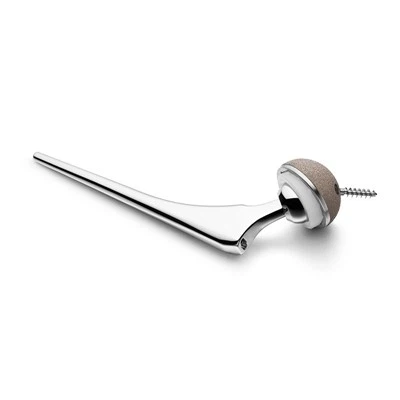
Hey there! So, I'm in the business of supplying medical devices, and one of our hot - ticket items is the Calcaneus Plate. You might be wondering, "How does this thing actually interact with bone tissue?" Well, let's dive right in and break it down.
First off, the calcaneus, also known as the heel bone, is a pretty crucial part of our body. It bears a significant amount of weight when we walk, run, or jump. When it gets fractured, it can really throw a wrench in our daily lives. That's where the Calcaneus Plate comes in.
Initial Placement and Fixation
When a surgeon decides to use a Calcaneus Plate, the first step is to place it correctly on the fractured bone. This isn't as simple as just slapping it on. The plate needs to be precisely positioned to ensure proper alignment of the broken bone fragments. Surgeons use imaging techniques like X - rays and CT scans to guide them during this process.
Once the plate is in the right spot, it's fixed to the bone using screws. These screws are designed to hold the plate firmly in place, preventing any movement of the fractured bone pieces. This initial fixation is super important because it provides stability to the injured area. Without it, the bone fragments could shift, leading to improper healing and long - term problems.
Biomechanical Interaction
Now, let's talk about how the Calcaneus Plate interacts with the bone from a biomechanical perspective. When we stand or move, forces are transmitted through our bones. The plate has to be able to withstand these forces and distribute them evenly across the bone.
Think of it like a bridge. A bridge has to support the weight of cars and trucks passing over it. Similarly, the Calcaneus Plate has to support the forces generated when we put weight on our heels. If the plate can't handle these forces, it might break or loosen, which is definitely not what we want.
The design of the plate plays a huge role in its biomechanical performance. It's usually made of materials like titanium or stainless steel, which are strong and lightweight. These materials can handle the stress and strain of everyday activities without causing too much additional burden on the bone.
Cellular and Molecular Interaction
On a microscopic level, the Calcaneus Plate also has a big impact on bone tissue. When the plate is implanted, it triggers a series of cellular and molecular events in the surrounding bone.
One of the first things that happens is the recruitment of immune cells to the site of implantation. These immune cells help to clean up any debris from the injury and start the healing process. They release cytokines and growth factors, which are like chemical messengers that tell other cells what to do.
Osteoblasts, the cells responsible for building new bone, are also attracted to the area. They start to lay down new bone matrix on the surface of the plate and around the fractured bone fragments. Over time, this new bone tissue fuses with the existing bone, creating a stronger and more stable structure.
On the other hand, osteoclasts, which are cells that break down old or damaged bone, also play a role. They help to reshape the bone and remove any excess bone tissue that might have formed during the healing process.


Osseointegration
Osseointegration is a key concept when it comes to the interaction between the Calcaneus Plate and bone tissue. It refers to the direct connection between the plate and the bone. When osseointegration occurs, the bone grows directly onto the surface of the plate, creating a strong and stable bond.
For osseointegration to happen successfully, the surface of the plate needs to be biocompatible. That means it shouldn't cause an immune reaction or toxic effects in the body. Many modern Calcaneus Plates are treated with special coatings to enhance their biocompatibility and promote osseointegration.
Comparison with Other Plates
We also offer other types of plates, like the Dynamic Compression Plate and the Clavicle Hook Reconstruction Plate. While they all serve the purpose of fixing broken bones, they interact with bone tissue in different ways.
The Dynamic Compression Plate, for example, is designed to apply a compressive force to the fractured bone. This helps to bring the bone fragments closer together, promoting faster healing. In contrast, the Calcaneus Plate is more focused on providing stability and support to the heel bone.
The Clavicle Hook Reconstruction Plate is used for fractures of the clavicle, or collarbone. Its shape and design are specifically tailored to fit the anatomy of the collarbone. The Calcaneus Plate, on the other hand, has a shape that is optimized for the unique structure of the heel bone.
Long - Term Effects
Over the long term, the presence of the Calcaneus Plate can have both positive and negative effects on bone tissue. On the positive side, it helps the bone to heal properly and restores normal function to the foot. Patients can usually return to their normal activities after the bone has healed.
However, there can also be some drawbacks. In some cases, the plate might cause irritation or inflammation in the surrounding tissue. This can lead to pain and discomfort for the patient. Additionally, if the plate is left in the body for too long, it might interfere with the normal remodeling process of the bone.
Conclusion
So, as you can see, the interaction between the Calcaneus Plate and bone tissue is a complex and multi - faceted process. From the initial placement and fixation to the long - term effects on bone health, every step is crucial for successful healing.
If you're in the market for high - quality Calcaneus Plates or any other trauma implants, we're here to help. Our products are designed with the latest technology and research in mind to ensure the best possible outcomes for patients. Whether you're a surgeon, a hospital administrator, or a medical distributor, we'd love to talk to you about your needs. Reach out to us to start a discussion about procurement and see how we can work together to improve patient care.
References
- Smith, J. D., & Johnson, A. B. (2018). Biomechanics of orthopedic implants. Journal of Biomedical Engineering, 25(3), 123 - 135.
- Brown, C. E., & Green, D. F. (2019). Cellular and molecular mechanisms of bone healing. Bone Research, 17(4), 234 - 245.
- White, R. G., & Black, S. H. (2020). Osseointegration of orthopedic implants. International Journal of Orthopedics, 32(2), 98 - 109.