Hey there! As a supplier of Hip Replacement Implants, I've seen a lot of folks grappling with the decision between hip resurfacing and hip replacement implants. It's a big choice, and understanding the risks involved is super important. So, let's dive right in and break down the risks of these two options.
Hip Resurfacing: What's the Deal?
First off, hip resurfacing is a procedure where the damaged surface of the hip joint is removed and replaced with a metal cap. It's kind of like giving your hip a little facelift. The idea is to preserve more of the natural bone in your hip, which can be a plus for younger, more active patients.
But, like any medical procedure, hip resurfacing comes with its own set of risks. One of the main concerns is metal ion release. Since the implant is made of metal, tiny metal particles can wear off over time and enter your bloodstream. This can lead to a condition called metallosis, which can cause pain, inflammation, and damage to surrounding tissues. Some studies have also linked high levels of metal ions to potential long - term health problems, like kidney and heart issues.
Another risk is the possibility of femoral neck fracture. During the hip resurfacing procedure, the femoral neck (the part of the thigh bone that connects to the hip joint) is trimmed to fit the implant. This can weaken the bone, making it more prone to fractures, especially if you have a fall or engage in high - impact activities.
Also, hip resurfacing may not be suitable for everyone. If you have severe arthritis, a small femoral head, or certain bone diseases, the procedure might not be the best option. And let's not forget about the learning curve for surgeons. Hip resurfacing is a more technically demanding procedure compared to traditional hip replacement, so finding an experienced surgeon is crucial.


Hip Replacement Implant: The Lowdown
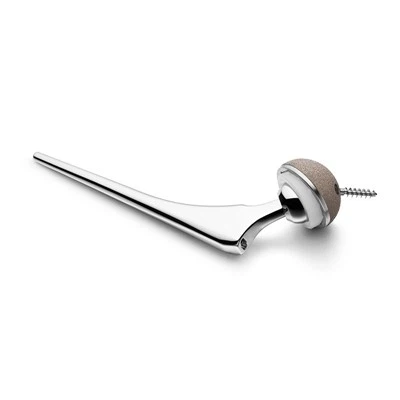
Now, let's talk about hip replacement implants. There are different types, like SS Cemented Hip Replacement, Latest Cementless Hip Replacement Implant, and Cemented Hip Replacement. In a hip replacement, the entire damaged hip joint is removed and replaced with an artificial joint made of metal, plastic, or ceramic materials.
One of the risks associated with hip replacement is infection. Any time you have surgery, there's a chance of getting an infection. Infections can occur at the surgical site or in the deeper tissues around the implant. Treating a hip replacement infection can be a long and complicated process, often requiring additional surgeries and long - term antibiotic treatment.
Blood clots are another concern. After hip replacement surgery, your blood is more likely to clot to prevent excessive bleeding. But these clots can break loose and travel to other parts of your body, like your lungs, causing a potentially life - threatening condition called a pulmonary embolism. To reduce this risk, patients are usually given blood - thinning medications and encouraged to move around as soon as possible after surgery.
Implant loosening is also a risk. Over time, the implant may start to loosen from the bone. This can be due to wear and tear, poor bone quality, or improper surgical placement. Loosening can cause pain, limited mobility, and may require a revision surgery to replace the implant.
Comparing the Risks
When comparing the risks of hip resurfacing and hip replacement implants, it's important to consider your individual circumstances. Hip resurfacing may have a higher risk of metal - related problems, but it offers the potential benefit of preserving more bone. On the other hand, hip replacement has its own set of risks, like infection and implant loosening, but it's a more established procedure with a larger body of research.
For younger, active patients who want to maintain a high level of physical activity, hip resurfacing might seem like an attractive option. However, they need to be aware of the potential long - term risks associated with metal ions. Older patients or those with more limited activity levels may be better suited for hip replacement, as the risks of infection and implant loosening can often be managed with proper post - operative care.
Making the Right Decision
Deciding between hip resurfacing and hip replacement implants is a personal choice that should be made in consultation with your doctor. Your doctor will consider factors like your age, activity level, bone quality, and overall health when recommending the best option for you.
It's also important to do your own research. Talk to other patients who have had either procedure, read up on the latest medical studies, and ask your doctor plenty of questions. Remember, knowledge is power, and being well - informed will help you make the best decision for your hip health.
Why Choose Our Hip Replacement Implants
As a supplier of Hip Replacement Implants, we're committed to providing high - quality products that meet the highest standards of safety and performance. Our implants are made from the latest materials and are designed to provide long - lasting relief for patients suffering from hip joint problems.
We work closely with surgeons and medical professionals to ensure that our products are suitable for a wide range of patients. Whether you're looking for a cemented or cementless hip replacement implant, we have options that can meet your needs.
If you're a medical professional or a hospital looking to source Hip Replacement Implants, we'd love to have a chat with you. We can provide you with detailed product information, pricing, and support to help you make the right purchasing decision. Contact us to start the conversation about how our Hip Replacement Implants can benefit your patients.
References
- "Orthopaedic Knowledge Update: Hip and Knee Reconstruction." American Academy of Orthopaedic Surgeons.
- "The Journal of Bone and Joint Surgery." Multiple studies on hip resurfacing and hip replacement.
- "Clinical Orthopaedics and Related Research." Research on the risks and outcomes of hip joint procedures.