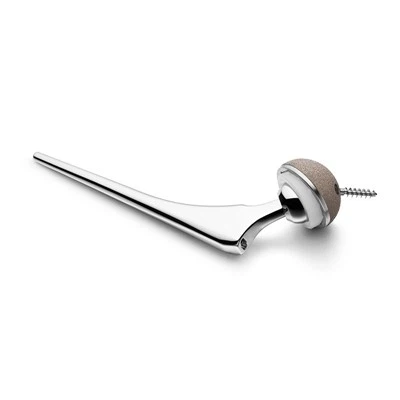
When it comes to knee replacement surgery, one of the most critical factors patients and surgeons consider is the ease of movement provided by the knee replacement implants. As a supplier of knee replacement implants, I've witnessed firsthand the advancements in this field and understand the importance of this aspect. In this blog, I'll delve into how different knee replacement implants compare in terms of ease of movement.
Understanding Knee Replacement Implants
Before comparing the ease of movement, it's essential to understand the types of knee replacement implants available. There are various options, including Complete Knee Replacements, Full Knee Replacement Implants, and Total Knee Replacement Implant. These implants are designed to mimic the natural function of the knee joint, replacing damaged or diseased parts to restore mobility and reduce pain.
Factors Affecting Ease of Movement
Several factors contribute to the ease of movement of knee replacement implants. These include the design of the implant, the materials used, and the surgical technique employed.
Design
The design of the implant plays a crucial role in determining how well it allows for natural movement. Modern knee replacement implants are designed with advanced engineering techniques to closely replicate the anatomy and function of the natural knee. For example, some implants feature a more anatomical shape, which allows for better alignment and smoother movement. Others may have a unique articulating surface that reduces friction and wear, enhancing the overall ease of movement.


Materials
The materials used in the construction of the implant also impact its performance. High-quality materials, such as titanium and cobalt-chromium alloys, are commonly used for the metal components of the implant. These materials are strong, durable, and biocompatible, meaning they are well-tolerated by the body. The polyethylene liner, which acts as the bearing surface between the metal components, is also an important factor. Advanced polyethylene materials have been developed to reduce wear and improve the longevity of the implant, further enhancing the ease of movement.
Surgical Technique
The surgical technique used to implant the knee replacement is another critical factor. A skilled surgeon with experience in knee replacement surgery can ensure proper alignment and positioning of the implant, which is essential for optimal function. Incorrect alignment can lead to increased stress on the implant, causing premature wear and reduced ease of movement. Additionally, minimally invasive surgical techniques are becoming increasingly popular, as they can result in less tissue damage, faster recovery times, and improved overall outcomes.
Comparing Different Types of Knee Replacement Implants
Now, let's compare how different types of knee replacement implants stack up in terms of ease of movement.
Complete Knee Replacements
Complete Knee Replacements involve replacing all three compartments of the knee joint: the medial (inner), lateral (outer), and patellofemoral (kneecap) compartments. These implants are typically recommended for patients with severe arthritis or other conditions that have affected multiple parts of the knee. Complete knee replacements are designed to provide a high level of stability and support, allowing for a wide range of motion. However, the recovery time may be longer compared to other types of implants, as the surgery is more extensive.
Full Knee Replacement Implants
Full Knee Replacement Implants are similar to complete knee replacements but may offer some additional features or benefits. For example, some full knee replacement implants are designed with a more modular approach, allowing for greater customization to the patient's specific anatomy. This can result in better alignment and improved ease of movement. Additionally, these implants may use advanced materials or design features to reduce wear and improve the longevity of the implant.
Total Knee Replacement Implant
Total Knee Replacement Implant is a term often used interchangeably with complete knee replacement. However, some total knee replacement implants may have unique features or design elements that set them apart. For example, some implants may be designed to provide a more natural feel and movement, while others may focus on reducing the risk of complications, such as dislocation or loosening.
Clinical Studies and Patient Outcomes
Numerous clinical studies have been conducted to evaluate the performance of different knee replacement implants in terms of ease of movement. These studies typically involve following patients over a period of time to assess their range of motion, pain levels, and overall satisfaction with the implant.
In general, the results of these studies have shown that modern knee replacement implants can provide significant improvements in ease of movement and quality of life for patients. However, it's important to note that individual outcomes may vary depending on factors such as the patient's age, health status, and activity level.
Choosing the Right Knee Replacement Implant
When it comes to choosing the right knee replacement implant, it's essential to work closely with your surgeon. Your surgeon will consider your individual needs, preferences, and medical history to recommend the most suitable implant for you. They will also discuss the potential benefits and risks of each option, as well as the expected recovery time and outcomes.
In addition to the surgeon's recommendation, it's also important to do your own research and educate yourself about the different types of knee replacement implants available. You can talk to other patients who have had knee replacement surgery, read patient testimonials, and review the latest scientific literature to make an informed decision.
Conclusion
In conclusion, the ease of movement of knee replacement implants is a critical factor that can significantly impact the quality of life of patients. Modern knee replacement implants have come a long way in terms of design, materials, and surgical techniques, offering improved performance and better outcomes. By understanding the factors that affect ease of movement and comparing the different types of implants available, patients can make an informed decision about which implant is right for them.
As a supplier of knee replacement implants, I'm committed to providing high-quality products that meet the needs of patients and surgeons. If you're interested in learning more about our knee replacement implants or would like to discuss potential procurement opportunities, please don't hesitate to reach out. We look forward to the opportunity to work with you and help improve the lives of patients through advanced knee replacement solutions.
References
- "Knee Arthroplasty: A Comprehensive Review of the Literature." Journal of Bone and Joint Surgery.
- "Advanced Materials for Knee Replacement Implants." Biomaterials Science.
- "Surgical Techniques for Knee Replacement: Current Trends and Future Directions." Orthopaedic Clinics of North America.