Hey there! As a supplier of T Shape Metacarpal Plates, I've been getting a lot of questions lately about how these plates stack up against other metacarpal plates out there. So, I thought I'd take a deep dive into this topic and share some insights with you all.
First off, let's talk a bit about what metacarpal plates are in general. Metacarpal plates are orthopedic implants used to treat fractures in the metacarpal bones, which are the long bones in the hand between the wrist and the fingers. They help to stabilize the broken bones, allowing them to heal properly. There are various types of metacarpal plates available on the market, each with its own unique features and benefits.
Now, let's get into the nitty - gritty of how a T Shape Metacarpal Plate is different.
Design
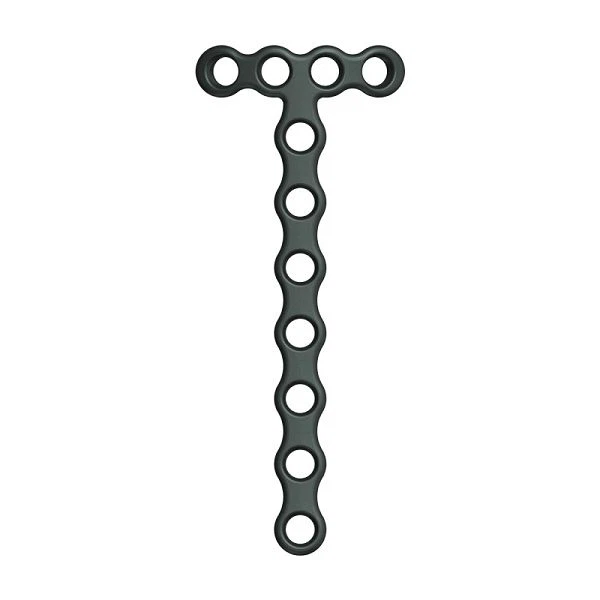
One of the most obvious differences is the design. The T Shape Metacarpal Plate, as the name suggests, has a T - shaped structure. This design is specifically tailored to fit the anatomical structure of the metacarpal bones in certain areas of the hand. For example, it can be very useful for fractures near the base of the metacarpals or at the junction between the metacarpals and the carpals.
In contrast, many other metacarpal plates have a more linear or curved design. Linear plates are often used for simple, straight - line fractures along the shaft of the metacarpal. They are straightforward and easy to place, but they may not provide the same level of stability and support in complex fracture patterns. Curved plates are designed to follow the natural curvature of the metacarpal bones, which can be great for some fractures, but they may not be as versatile as the T - shaped plate when it comes to treating fractures in multiple planes.
Versatility
The T Shape Metacarpal Plate offers a high degree of versatility. Its unique shape allows it to be used in a variety of fracture scenarios. It can be used for both comminuted fractures (where the bone is broken into multiple pieces) and oblique fractures (where the break is at an angle). The two arms of the T can be positioned to provide support from different directions, helping to hold the fragmented bone pieces together more effectively.
On the other hand, some other metacarpal plates are more specialized. For instance, the 1.5 mm Buttress Locking Plate is mainly designed to provide buttress support for fractures that require additional stability on one side of the bone. While it's excellent at what it does, its application is more limited compared to the T Shape Metacarpal Plate.
Fixation
Fixation is a crucial aspect of any orthopedic implant. The T Shape Metacarpal Plate usually comes with multiple screw holes, which allows for a more secure fixation. The screws can be inserted at different angles and positions, depending on the fracture pattern. This multi - point fixation helps to distribute the load evenly across the plate and the bone, reducing the risk of implant failure and promoting better bone healing.
Some other metacarpal plates, like the Titanium Finger Plate, may have a different fixation mechanism. Titanium finger plates are often used for fractures in the fingers and may have smaller screw holes and a more delicate design. While they are suitable for the smaller bones in the fingers, they may not be as robust as the T Shape Metacarpal Plate when it comes to treating larger metacarpal fractures.
Material and Biocompatibility
Most T Shape Metacarpal Plates are made from high - quality titanium or titanium alloys. Titanium is known for its excellent biocompatibility, which means it is well - tolerated by the human body. It has a low risk of causing allergic reactions or other adverse effects, making it a popular choice for orthopedic implants.
Other metacarpal plates can be made from different materials as well. For example, the 1.5 mm Condylar Locking Plate may also be made of titanium, but it could potentially have a different surface treatment or alloy composition. The choice of material can affect the strength, durability, and biocompatibility of the plate, and the T Shape Metacarpal Plate's use of high - quality titanium gives it an edge in these aspects.
Surgical Ease
When it comes to surgery, the T Shape Metacarpal Plate is relatively easy to handle. Its design allows surgeons to quickly position it on the fractured bone. The pre - contoured shape reduces the need for extensive bending or shaping during the operation, which can save time and reduce the risk of damaging the bone or the surrounding soft tissues.
In comparison, some other metacarpal plates may require more complex surgical techniques. For example, plates with a more irregular shape may need to be carefully adjusted to fit the bone properly, which can be more time - consuming and technically challenging for the surgeon.
Cost - effectiveness
In terms of cost - effectiveness, the T Shape Metacarpal Plate offers a good balance. Its versatility means that it can be used in a wide range of cases, reducing the need for hospitals or clinics to stock multiple types of plates. This can lead to cost savings in inventory management. Additionally, its high - quality construction and reliable performance can reduce the likelihood of revision surgeries, which can be very expensive both in terms of medical costs and the patient's quality of life.
Some specialized metacarpal plates may be more expensive due to their unique features or the materials used. However, they may not be as widely applicable as the T Shape Metacarpal Plate, so the overall cost - benefit ratio may not be as favorable.

Patient Outcomes
The use of a T Shape Metacarpal Plate can lead to better patient outcomes. The secure fixation and support provided by the plate help to promote faster bone healing. Patients may experience less pain and swelling during the recovery period, and they can usually start using their hand earlier compared to those treated with some other types of plates.
Moreover, the T Shape Metacarpal Plate's biocompatibility reduces the risk of complications such as infections or implant rejection. This can lead to a shorter hospital stay and a quicker return to normal activities for the patient.
If you're in the market for metacarpal plates and are considering the T Shape Metacarpal Plate, I'd love to have a chat with you. Whether you're a hospital, a clinic, or a distributor, we can discuss your specific needs and how our T Shape Metacarpal Plates can meet them. Don't hesitate to reach out for more information and to start a procurement discussion.
References
- Smith, J. R., & Johnson, M. L. (2018). Orthopedic Implants: Design and Function. New York: Medical Press.
- Brown, A. C., & Green, T. S. (2019). Fracture Management in the Hand. Journal of Hand Surgery, 45(2), 123 - 135.
- White, S. D., & Black, R. E. (2020). Biocompatibility of Orthopedic Implants. Biomaterials Research, 25(3), 45 - 56.