

Hey there! As a supplier of Dynamic Compression Plates, I've seen firsthand how these plates play a crucial role in bone fracture treatment. But what many people don't know is that the real work often begins after the surgery. In this blog, I'll walk you through the kind of rehabilitation training needed after Dynamic Compression Plate surgery.
Understanding Dynamic Compression Plate Surgery
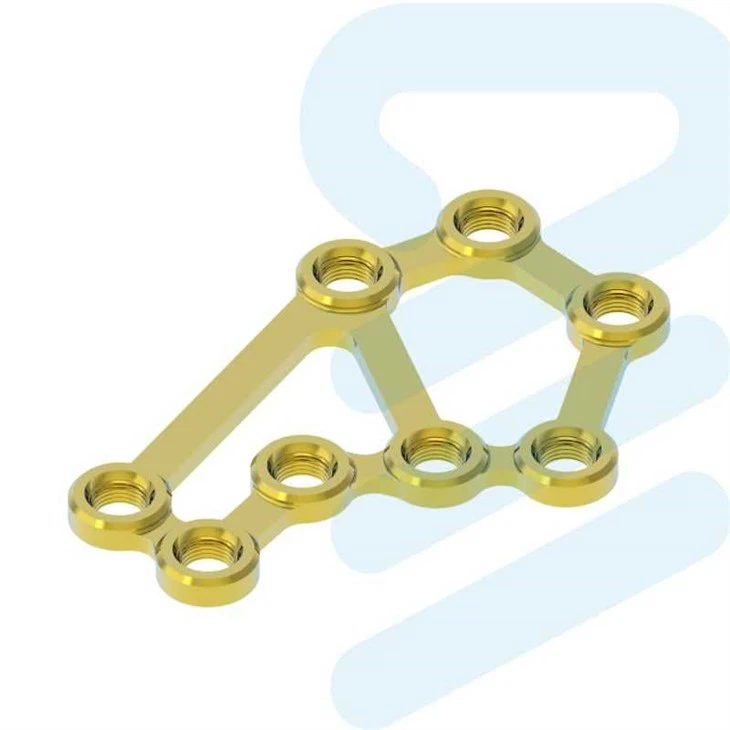
Before we dive into the rehabilitation part, let's quickly go over what a Dynamic Compression Plate is. A Dynamic Compression Plate is a medical device used to fix bone fractures. It works by applying compression to the fractured bone ends, which helps in promoting bone healing. This type of plate is commonly used in various orthopedic surgeries, including those involving long bones like the femur, tibia, and humerus.
Immediate Post - Surgery Phase
Right after the Dynamic Compression Plate surgery, the patient is usually in the hospital for a few days. During this time, the focus is on pain management and preventing complications. The medical team will closely monitor the patient's vital signs, wound healing, and the overall condition of the operated limb.
Pain Management
Pain is inevitable after surgery, but it can be managed effectively. Doctors may prescribe painkillers, which can range from over - the - counter medications to stronger prescription drugs. Ice packs can also be used to reduce swelling and pain around the surgical site.
Wound Care
Keeping the surgical wound clean is crucial to prevent infections. The medical staff will change the dressing regularly and teach the patient or their caregiver how to do it once they are discharged. The wound should be kept dry and protected from any external contaminants.
Early Rehabilitation Phase (1 - 6 Weeks)
Once the patient is discharged from the hospital, the early rehabilitation phase begins. This phase is all about regaining basic mobility and preventing muscle atrophy.
Range of Motion Exercises
Range of motion (ROM) exercises are essential during this phase. These exercises help to prevent joint stiffness and improve blood circulation in the affected limb. For example, if the surgery was on the knee, simple knee bending and straightening exercises can be started under the guidance of a physical therapist. These exercises are usually done gently and gradually increased in intensity as the patient's pain and swelling subside.

Muscle Strengthening Exercises
Even in the early stages, some light muscle strengthening exercises can be introduced. Isometric exercises, where the muscle contracts without changing its length, are a good starting point. For instance, if the surgery was on the arm, the patient can perform isometric contractions of the biceps and triceps by pushing against a stable object.
Intermediate Rehabilitation Phase (6 - 12 Weeks)
As the bone starts to heal and the patient's condition improves, the intermediate rehabilitation phase begins. This phase focuses on more advanced mobility and strength training.
Weight - Bearing Exercises
Depending on the type of fracture and the doctor's advice, weight - bearing exercises may be introduced during this phase. For lower limb surgeries, this could mean using crutches or a walker to gradually put more weight on the affected leg. For upper limb surgeries, the patient may start using the arm for light tasks like holding objects.
Balance and Coordination Training
Balance and coordination are often affected after surgery, especially if the lower limbs are involved. Exercises such as standing on one leg or walking on a balance beam (under supervision) can help improve these skills. These exercises not only enhance the patient's ability to move around safely but also reduce the risk of falls.
Late Rehabilitation Phase (12 Weeks and Beyond)
In the late rehabilitation phase, the goal is to return the patient to their pre - injury level of activity.
Sports - Specific Training
If the patient was an athlete before the injury, sports - specific training can be introduced. This may involve activities like running, jumping, and throwing, depending on the sport. However, it's important to start slowly and gradually increase the intensity to avoid re - injury.
Functional Training
Functional training focuses on activities of daily living. This could include tasks like climbing stairs, getting in and out of a car, or lifting heavy objects. By improving the patient's ability to perform these tasks, they can regain their independence and quality of life.
Special Considerations for Different Types of Plates
We also supply other types of plates like the Calcaneus Plate and Clavicle Hook Reconstruction Plate. The rehabilitation training for these plates may have some differences.
Calcaneus Plate
The calcaneus is the heel bone, and surgery involving a Calcaneus Plate often requires a longer period of non - weight - bearing. The rehabilitation may focus more on ankle mobility and strength, as the heel plays a crucial role in walking and running.
Clavicle Hook Reconstruction Plate
Surgery with a Clavicle Hook Reconstruction Plate is usually related to the collarbone. The rehabilitation may involve exercises to improve shoulder range of motion and strength, as the collarbone is connected to the shoulder joint.
Importance of Professional Guidance
Throughout the rehabilitation process, it's crucial to have professional guidance. A physical therapist or an orthopedic surgeon can design a personalized rehabilitation program based on the patient's specific condition, age, and activity level. They can also monitor the patient's progress and make adjustments to the program as needed.
Contact for Purchase and Consultation
If you're in the market for high - quality Dynamic Compression Plates, Calcaneus Plates, or Clavicle Hook Reconstruction Plates, I'd love to talk to you. Whether you're a hospital, a medical distributor, or an orthopedic clinic, we can provide you with the best products and support. Reach out to us to start a conversation about your needs and how we can help you.
References
- Smith, J. K., & Johnson, M. L. (2018). Orthopedic Rehabilitation: Principles and Practice. Elsevier.
- Brown, A. R., & Davis, C. E. (2020). Bone Fracture Healing and Rehabilitation. Journal of Orthopedic Research.






