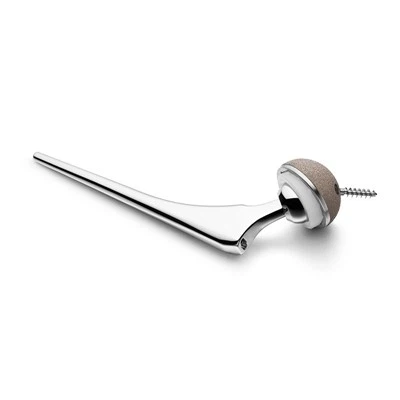
The Dynamic Compression Plate (DCP) is a cornerstone in the field of orthopedic trauma surgery, offering a reliable solution for the internal fixation of fractures. As a supplier of high - quality DCPs, I am often asked about the intricate workings of the screws used in these plates. In this blog, I will delve into the science behind how the screws in a Dynamic Compression Plate function, their design features, and their significance in the healing process.
Basic Structure of a Dynamic Compression Plate and Its Screws
A Dynamic Compression Plate is a rigid metal plate typically made of stainless steel or titanium. It is contoured to fit the anatomical shape of the bone where it will be applied, such as the femur, tibia, or humerus. The plate has multiple holes, each designed to accommodate a screw. These screws are crucial components that secure the plate to the bone and play a vital role in the compression mechanism.
The screws used in DCPs are usually cortical screws. Cortical screws have a fine thread and a relatively large diameter, which allows them to engage firmly with the dense cortical bone. The screw head is designed in a specific way to interact with the holes in the DCP. There are two main types of holes in a DCP: the round hole and the oval or oblong hole.
The Compression Mechanism
The key feature of a Dynamic Compression Plate is its ability to generate compression across the fracture site. This compression is essential for promoting bone healing by providing stability and facilitating the formation of callus, which is the new bone tissue that bridges the fracture gap.


Compression in the Oval Hole
The oval holes in the DCP are the main sites where compression is generated. When a screw is inserted into an oval hole, the screw head slides along the sloped surface of the hole. As the screw is tightened, the screw head moves from the wider end of the oval hole towards the narrower end. This movement causes the plate to be pulled towards the bone surface, and at the same time, it creates a compressive force across the fracture site.
Let's break down the process step - by - step. First, the plate is placed over the fractured bone, and the screws are inserted into the holes. When the screw is turned, the threads of the screw engage with the bone, anchoring it firmly. As the screw head moves along the sloped surface of the oval hole, it exerts a downward force on the plate. This downward force is transferred to the bone on either side of the fracture, pushing the bone fragments together.
The amount of compression generated can be controlled by the surgeon. By adjusting the position of the screw in the oval hole and the degree of tightening, the surgeon can fine - tune the compressive force to meet the specific needs of the patient and the fracture.
Function of the Round Hole
The round holes in the DCP serve a different purpose. They are used for neutralization or for providing additional stability without generating compression. When a screw is inserted into a round hole, it simply holds the plate in place against the bone. The screw head sits flat in the round hole, and there is no sliding action or compression generated. These round holes are often used at the ends of the plate or in areas where compression is not required.
Importance of Compression in Bone Healing
Compression across the fracture site offers several benefits for bone healing. Firstly, it provides stability to the fracture fragments. By holding the bone fragments in close contact, it reduces the movement between them, which is crucial for preventing further damage and promoting the formation of a stable callus.
Secondly, compression stimulates the biological processes involved in bone healing. When the bone fragments are compressed, it increases the blood flow to the fracture site. This enhanced blood supply brings oxygen, nutrients, and cells necessary for bone repair, such as osteoblasts (cells that form new bone) and fibroblasts (cells that produce connective tissue).
In addition, compression helps to align the bone fragments accurately. Proper alignment is essential for ensuring that the bone heals in the correct position, which is important for restoring normal function and preventing long - term complications.
Different Applications of DCPs and Their Screws
DCPs with their specialized screws are used in a variety of orthopedic applications. For example, in the treatment of long bone fractures, such as fractures of the femur or tibia, DCPs can provide the necessary stability and compression to promote healing.
In cases of complex fractures, such as those involving multiple bone fragments, DCPs can be used in combination with other fixation devices to achieve optimal results. The screws in the DCP can be strategically placed to hold the fragments together and provide the right amount of compression.
Another application is in the treatment of fractures in the calcaneus. The Calcaneus Plate is a type of DCP specifically designed for the calcaneus bone. The screws in this plate work in the same way as those in a standard DCP, generating compression across the fracture site to aid in healing.
The Clavicle Hook Reconstruction Plate is also a variation of the DCP. It is used for treating fractures of the clavicle. The screws in this plate are designed to provide both compression and stability, helping to restore the normal function of the shoulder joint.
Design Considerations for DCP Screws
The design of DCP screws is carefully engineered to ensure optimal performance. The thread pitch and depth of the screw are important factors. A fine thread pitch allows the screw to engage more securely with the bone, while the appropriate thread depth ensures that the screw can grip the bone without causing excessive damage.
The material of the screw is also crucial. Stainless steel and titanium are the most commonly used materials. Stainless steel screws are strong and relatively inexpensive, while titanium screws are biocompatible, lightweight, and have a lower risk of causing allergic reactions.
The shape and size of the screw head are designed to interact smoothly with the holes in the DCP. The sloped surface of the oval hole is precisely machined to ensure that the screw head can slide along it without getting stuck, allowing for the generation of consistent compression.
Quality Assurance in DCP Screw Manufacturing
As a supplier of Dynamic Compression Plates, we understand the importance of quality assurance in the manufacturing of DCP screws. Every screw undergoes a series of strict quality control checks to ensure that it meets the highest standards.
We use advanced manufacturing techniques, such as precision machining and heat treatment, to ensure the strength and durability of the screws. Non - destructive testing methods, such as ultrasonic testing and X - ray inspection, are used to detect any internal defects in the screws.
In addition, our screws are tested for their mechanical properties, such as tensile strength, torque resistance, and fatigue resistance. These tests ensure that the screws can withstand the forces exerted on them during the healing process and provide reliable fixation.
Conclusion
The screws in a Dynamic Compression Plate are remarkable engineering feats that play a crucial role in orthopedic trauma surgery. Their unique design allows for the generation of compression across the fracture site, which is essential for promoting bone healing. By understanding how these screws work, surgeons can make more informed decisions when using DCPs in the treatment of fractures.
If you are interested in learning more about our Dynamic Compression Plate products or are looking to discuss potential procurement opportunities, we invite you to reach out. Our team of experts is ready to assist you with any questions you may have and to provide you with the highest - quality orthopedic implants.
References
- Bucholz RW, Heckman JD, Court - Brown CM, Tornetta P III, eds. Rockwood and Green's Fractures in Adults. 8th ed. Philadelphia, PA: Lippincott Williams & Wilkins; 2015.
- Müller ME, Allgöwer M, Schneider R, Willenegger H. Manual of Internal Fixation: Techniques Recommended by the AO Group. 3rd ed. New York, NY: Springer - Verlag; 1991.
- Browner BD, Jupiter JB, Levine AM, Trafton PG, eds. Skeletal Trauma: Fractures, Dislocations, Ligamentous Injuries. 4th ed. Philadelphia, PA: Saunders; 2008.