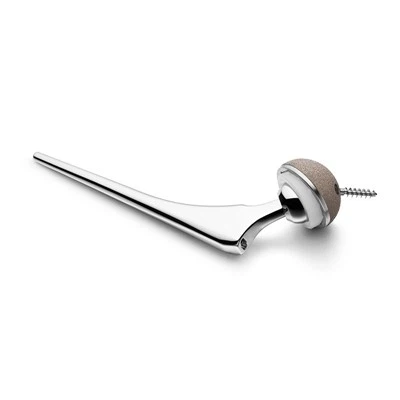
When it comes to treating fractures in the calcaneus, also known as the heel bone, the choice of fixation method is crucial for a successful recovery. As a dedicated supplier of orthopedic implants, including the Calcaneus Plate, I've witnessed firsthand the impact of different fixation techniques on patient outcomes. In this blog, I'll compare the Calcaneus Plate with other common fixation methods, exploring their advantages, disadvantages, and clinical applications.
1. Overview of Calcaneus Fractures
Calcaneus fractures are relatively common, often resulting from high - energy trauma such as falls from a height or motor vehicle accidents. These fractures can be complex, involving multiple fragments and joint surfaces. The goal of treatment is to restore the normal anatomy of the calcaneus, maintain proper alignment, and provide stable fixation to allow for bone healing and early mobilization.
2. Calcaneus Plate: An In - Depth Look
The Calcaneus Plate is a specialized orthopedic implant designed specifically for the fixation of calcaneus fractures. It is typically made of high - quality materials such as titanium or stainless steel, which offer excellent biocompatibility and mechanical strength.
Advantages
- Anatomical Contouring: Calcaneus plates are designed to closely match the shape of the calcaneus bone. This anatomical contouring allows for better fit and stability, reducing the risk of plate loosening and migration. For example, in complex intra - articular fractures where accurate reduction and fixation are essential, the anatomical design of the plate helps to restore the joint surface and maintain proper alignment.
- Multiple Fixation Options: These plates usually have multiple screw holes, providing flexibility in screw placement. Surgeons can choose different screw lengths and diameters depending on the fracture pattern and bone quality. This allows for customized fixation, which is particularly important in cases where the fracture involves multiple fragments or areas of comminution.
- Load Distribution: The plate helps to distribute the mechanical load across the fracture site, reducing stress concentration on the bone. This is beneficial for promoting bone healing and preventing secondary fractures. In weight - bearing bones like the calcaneus, proper load distribution is crucial for a successful recovery and early return to normal activities.
Disadvantages
- Surgical Complexity: The placement of a Calcaneus Plate requires a more extensive surgical approach compared to some other fixation methods. This can increase the risk of complications such as wound infection, nerve damage, and delayed wound healing. Surgeons need to have a good understanding of the local anatomy and advanced surgical skills to perform the procedure safely.
- Cost: Calcaneus plates are often more expensive than some alternative fixation methods. This can be a limiting factor in some healthcare settings, especially in regions with limited resources.
3. Comparison with Other Fixation Methods
External Fixation
External fixation involves the use of pins or wires that are inserted through the skin and into the bone, and then connected to an external frame. This method is often used in cases where soft - tissue damage is significant or when immediate stabilization is required.
- Advantages of External Fixation over Calcaneus Plate
- Soft - Tissue Preservation: External fixation allows for minimal dissection of the soft tissues around the fracture site. This is particularly beneficial in cases where there is extensive soft - tissue injury, as it reduces the risk of further damage and improves the chances of wound healing.
- Immediate Stabilization: It can provide immediate stability to the fracture, which is important in cases of open fractures or when the patient has other life - threatening injuries that require early mobilization.
- Disadvantages of External Fixation compared to Calcaneus Plate
- Limited Accuracy: External fixation may not provide the same level of accuracy in fracture reduction and alignment as a Calcaneus Plate. This can lead to suboptimal anatomical restoration, especially in complex intra - articular fractures.
- Inconvenience for the Patient: The external frame can be bulky and uncomfortable for the patient, limiting their mobility and daily activities. There is also a risk of pin - tract infection, which requires regular monitoring and care.
K - Wires (Kirschner Wires)
K - wires are thin, flexible wires that can be used to fix small bone fragments or provide temporary fixation.
- Advantages of K - Wires over Calcaneus Plate
- Minimally Invasive: K - wire fixation is a relatively simple and minimally invasive procedure. It can be performed under local anesthesia in some cases, reducing the surgical trauma and recovery time for the patient.
- Low Cost: K - wires are inexpensive compared to Calcaneus plates, making them a more accessible option in resource - limited settings.
- Disadvantages of K - Wires compared to Calcaneus Plate
- Limited Stability: K - wires provide limited stability, especially in cases of large or complex fractures. They are more suitable for small, non - displaced fractures or as a temporary measure until definitive fixation can be achieved.
- Risk of Migration: There is a risk of K - wire migration, which can lead to complications such as soft - tissue irritation, nerve damage, or secondary fractures.
Dynamic Compression Plate
Dynamic Compression Plates are commonly used for the fixation of long bone fractures, but they can also be used in some cases of calcaneus fractures.
- Advantages of Dynamic Compression Plate over Calcaneus Plate
- Versatility: Dynamic Compression Plates are more versatile and can be used in a wider range of fracture types and locations. They have been well - studied and are widely available in most orthopedic surgical settings.
- Compression Effect: These plates are designed to provide a dynamic compression force across the fracture site, which can promote bone healing by enhancing bone apposition.
- Disadvantages of Dynamic Compression Plate compared to Calcaneus Plate
- Lack of Anatomical Fit: Dynamic Compression Plates are not specifically designed for the calcaneus bone. They may not provide the same level of anatomical fit and stability as a Calcaneus Plate, especially in fractures that involve the complex shape of the calcaneus.
- Higher Risk of Stress Shielding: The rigid nature of dynamic compression plates can lead to stress shielding, where the plate bears most of the load and the bone is not subjected to normal physiological stress. This can result in bone resorption and weakening over time.
4. Clinical Applications
The choice between a Calcaneus Plate and other fixation methods depends on several factors, including the type and severity of the fracture, the patient's age and overall health, and the availability of resources.
- Complex Intra - articular Fractures: In cases of complex intra - articular calcaneus fractures, a Calcaneus Plate is often the preferred choice. The anatomical design and multiple fixation options of the plate allow for accurate reduction and stable fixation of the joint surface, which is crucial for a good functional outcome.
- Soft - Tissue Injury: When there is significant soft - tissue injury, external fixation may be the initial treatment of choice. Once the soft tissues have healed, a Calcaneus Plate can be used for definitive fixation.
- Simple Non - Displaced Fractures: For simple non - displaced fractures, K - wires may be sufficient for fixation. This is a less invasive and more cost - effective option in these cases.
5. Conclusion and Call to Action
In conclusion, the Calcaneus Plate offers several advantages in the treatment of calcaneus fractures, including anatomical contouring, multiple fixation options, and proper load distribution. However, it also has some limitations such as surgical complexity and cost. When compared to other fixation methods like external fixation, K - wires, and Dynamic Compression Plate, the choice depends on the specific clinical situation.
As a supplier of high - quality Calcaneus Plates, we are committed to providing orthopedic surgeons with reliable and innovative solutions for the treatment of calcaneus fractures. If you are interested in learning more about our products or discussing potential procurement opportunities, please feel free to contact us. We look forward to partnering with you to improve patient outcomes in orthopedic care.


References
- Bucholz, R. W., Heckman, J. D., Court - Brown, C. M., & Tornetta, P. (2017). Rockwood and Green's Fractures in Adults. Lippincott Williams & Wilkins.
- Sanders, R. (2000). Fractures of the calcaneus. Journal of the American Academy of Orthopaedic Surgeons, 8(2), 82 - 95.
- Zlowodzki, M., Cole, P. A., Nork, S. E., & McKee, M. D. (2007). Fractures of the calcaneus. The Journal of Bone and Joint Surgery - American Volume, 89(6), 1331 - 1344.