After a trauma screw implant, many patients wonder if they can resume sports activities. This concern is valid as sports are not only a form of physical exercise but also a significant part of many people's lifestyles. As a trauma screw implant supplier, I understand the importance of providing accurate information to both patients and medical professionals. In this blog, I'll explore the factors related to doing sports after a trauma screw implant.
Understanding Trauma Screw Implants
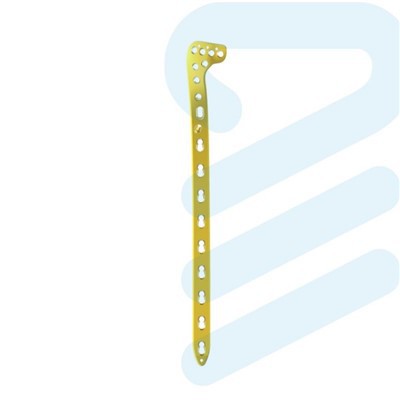
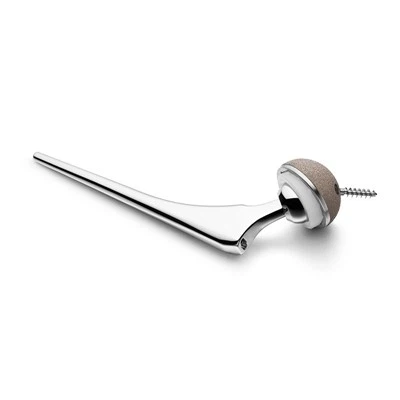
Trauma screw implants are commonly used in orthopedic surgeries to fix fractures and stabilize bones. They come in various types and sizes to suit different medical needs. For example, the 3.5 mm Cortical Screw is designed for use in the dense outer layer of bones, providing strong fixation. The 4.0 mm Cancellous Screw is better suited for the spongy inner part of bones, where it can grip well and help with bone healing. Another type is the Cannulated Cancellous Screw, which has a hollow center, allowing for the passage of a guide wire during insertion, making the surgical process more precise.
These screws are made from high - quality materials such as titanium or stainless steel, which are biocompatible and can withstand the mechanical stresses within the body. However, the success of the implant and the ability to return to sports depend on several factors.
Factors Affecting the Ability to Do Sports
1. Healing Process
The healing of the bone around the screw is a crucial factor. Bone healing is a complex process that typically occurs in three stages: the inflammatory phase, the reparative phase, and the remodeling phase. The initial inflammatory phase lasts for a few days to weeks, during which the body's immune system responds to the injury and starts the repair process. The reparative phase involves the formation of new bone tissue, which can take several weeks to months. Finally, the remodeling phase can last for months to years, during which the new bone is reshaped and strengthened.
During the early stages of healing, the bone is fragile, and any excessive stress from sports activities can disrupt the healing process, causing the screw to loosen or the fracture to displace. Therefore, it is essential to wait until the bone has reached an appropriate level of healing before resuming sports.
2. Type of Sport
Different sports impose different levels of stress on the body. Low - impact sports such as swimming, cycling, and yoga are generally less strenuous on the implanted area. These sports can be started earlier in the recovery process, usually after the initial healing phase. Swimming, for example, allows for a full - body workout without putting excessive weight on the injured limb.
On the other hand, high - impact sports like running, basketball, and football involve sudden movements, rapid changes in direction, and high forces on the joints and bones. These sports should be avoided until the bone has fully healed and the patient has regained sufficient strength and range of motion.
3. Location of the Implant
The location of the trauma screw implant also plays a significant role. Implants in weight - bearing bones such as the femur or tibia require more time for recovery compared to non - weight - bearing bones like the clavicle. Weight - bearing bones are constantly under stress, and any premature return to sports can lead to complications.
For example, if the screw is implanted in the ankle, which is a weight - bearing joint, the patient may need to use crutches or a walking boot for a certain period to avoid putting too much pressure on the area. The recovery time for ankle implants can be longer, and the return to sports should be carefully planned.
4. Patient's Overall Health
The patient's overall health, age, and lifestyle also affect the recovery process. Younger patients generally have a faster healing rate compared to older patients, as their bones are more resilient and have a better blood supply. Patients with underlying medical conditions such as diabetes or osteoporosis may have a slower healing process and are at a higher risk of complications.
In addition, a patient's lifestyle habits, such as smoking and excessive alcohol consumption, can also impair bone healing. Smoking reduces blood flow to the bones, while excessive alcohol can interfere with the normal bone metabolism.
Guidelines for Returning to Sports
1. Consultation with a Medical Professional
Before resuming any sports activities, patients should consult their orthopedic surgeon or physical therapist. These professionals can assess the patient's healing progress through physical examinations, X - rays, or other imaging tests. They can provide personalized advice based on the type of implant, the location of the injury, and the patient's overall health.
2. Gradual Progression
Once the medical professional gives the green light, patients should start with low - impact sports and gradually increase the intensity and duration of their activities. For example, if the patient is starting with cycling, they can begin with short, slow rides and gradually increase the distance and speed as their strength and endurance improve.
It is also important to incorporate strength and flexibility training into the recovery process. Physical therapy exercises can help improve the strength of the muscles around the implanted area, which provides additional support to the bone and reduces the risk of injury.


3. Use of Protective Gear
When participating in sports, patients should use appropriate protective gear. For example, if the patient is returning to running, they should wear proper running shoes with good shock absorption. Knee braces or ankle supports may also be recommended, depending on the location of the implant. Protective gear can help reduce the stress on the implanted area and prevent further injuries.
Our Role as a Trauma Screw Implant Supplier
As a trauma screw implant supplier, we are committed to providing high - quality products that meet the strictest medical standards. Our screws are designed to provide optimal fixation and support during the bone healing process. We work closely with medical professionals to ensure that our products are suitable for different clinical scenarios.
We also understand the importance of patient education. We provide information about the proper use and care of our products to medical professionals, who can then pass on this information to their patients. By doing so, we aim to contribute to a successful recovery process and help patients return to their normal lives, including sports activities.
Contact for Procurement
If you are a medical institution or a distributor interested in our trauma screw implants, we invite you to contact us for procurement and further discussion. We are ready to provide you with detailed product information and excellent customer service.
References
- Bucholz RW, Heckman JD, Court - Brown CM, Tornetta P III. Rockwood and Green's Fractures in Adults. 8th ed. Philadelphia: Lippincott Williams & Wilkins; 2015.
- Maffulli N, Longo UG, Denaro V. Bone healing. Br Med Bull. 2009;90:1-12.
- American Academy of Orthopaedic Surgeons. Returning to Sports After an Injury. Available at: https://orthoinfo.aaos.org/en/recovery/returning - to - sports - after - an - injury/. Accessed [date].