Can veterinary LCP implants be used in emergency situations?
Hey there, fellow animal lovers and veterinary pros! I'm a supplier of veterinary LCP implants, and I've been getting a lot of questions lately about whether these implants can be used in emergency situations. So, I thought I'd share my thoughts and insights on this topic.
First off, let's talk about what LCP implants are. LCP stands for Locking Compression Plate, and these implants are designed to provide a strong and stable fixation for fractures in animals. They work by using a combination of locking screws and compression to hold the bone fragments together, allowing them to heal properly.
Now, when it comes to emergency situations, time is of the essence. You need to be able to act quickly and effectively to save the animal's life and prevent further damage. So, the question is, can veterinary LCP implants be used in these situations?
The answer is yes, in many cases. LCP implants are versatile and can be used in a variety of emergency situations, such as fractures caused by trauma, car accidents, or falls. They are particularly useful in cases where the bone fragments are displaced or unstable, as they can provide a strong and stable fixation to hold the bones in place.
One of the main advantages of LCP implants is their ability to provide immediate stability. Unlike traditional plating systems, which rely on compression to hold the bone fragments together, LCP implants use locking screws to create a fixed-angle construct. This means that the plate and screws act as a single unit, providing a more rigid and stable fixation. This can be especially important in emergency situations, where the animal may be in a lot of pain and may not be able to tolerate a long and complex surgical procedure.
Another advantage of LCP implants is their ability to be used in minimally invasive procedures. Many LCP implants are designed to be inserted through small incisions, which can reduce the amount of trauma to the surrounding tissues and speed up the recovery process. This can be particularly beneficial in emergency situations, where the animal may be in a critical condition and may not be able to tolerate a large and invasive surgical procedure.
However, it's important to note that not all emergency situations are suitable for LCP implants. In some cases, the fracture may be too complex or the bone may be too damaged to use an LCP implant. In these cases, other treatment options, such as external fixation or amputation, may be more appropriate.
So, how do you know if an LCP implant is the right choice for an emergency situation? The best way is to consult with a qualified veterinary surgeon. They will be able to assess the animal's condition and determine the most appropriate treatment option based on the specific circumstances.
In addition to consulting with a veterinary surgeon, it's also important to have a good understanding of the different types of LCP implants available. There are many different types of LCP implants on the market, each with its own unique features and benefits. Some of the most common types of LCP implants used in veterinary medicine include the Lcp Olecranon Plate, the 1.5 mm T-shape Locking Plate, and the LCP Medial Proximal Tibia Plates.
Each of these implants is designed for a specific type of fracture or anatomical location, so it's important to choose the right implant for the job. Your veterinary surgeon will be able to help you select the most appropriate implant based on the animal's condition and the type of fracture.
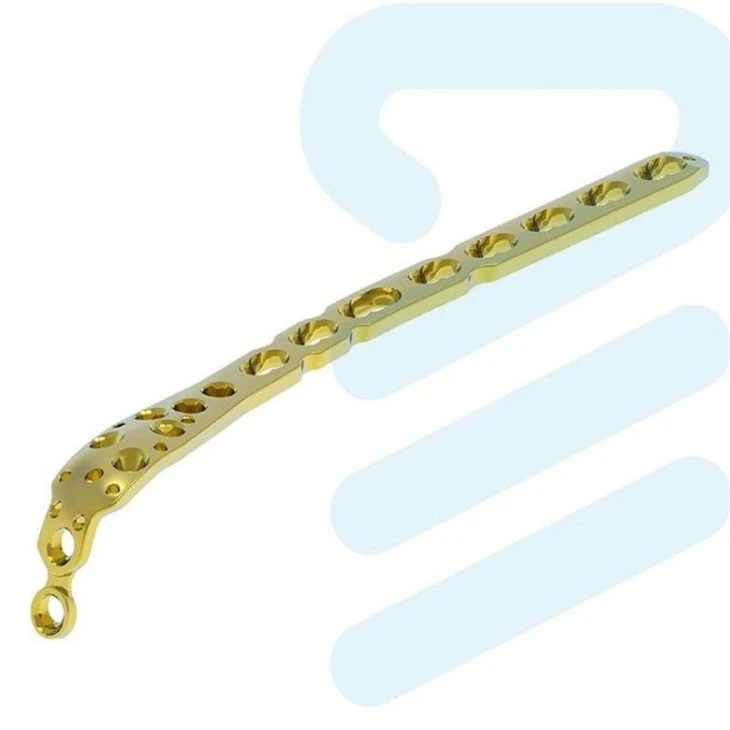

In conclusion, veterinary LCP implants can be a valuable tool in emergency situations. They are versatile, provide immediate stability, and can be used in minimally invasive procedures. However, it's important to consult with a qualified veterinary surgeon to determine if an LCP implant is the right choice for the specific situation.
If you're a veterinary professional and you're interested in learning more about our veterinary LCP implants, or if you have any questions or concerns, please don't hesitate to contact us. We're here to help you provide the best possible care for your patients.
References
- Smith, J. D., & Johnson, R. M. (2018). Veterinary orthopedic surgery. St. Louis, MO: Elsevier.
- Cook, J. L., & Nixon, A. J. (2012). Small animal arthroscopy: A color atlas and text. Ames, IA: Wiley-Blackwell.
- Slatter, D. H. (2008). Textbook of small animal surgery (3rd ed.). St. Louis, MO: Elsevier.