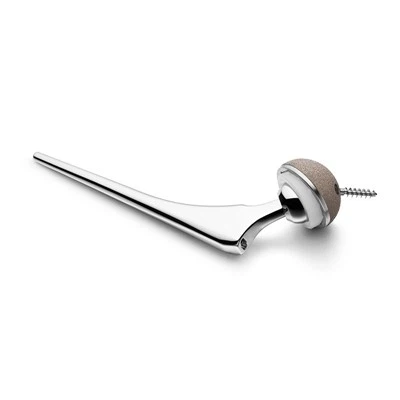
Hey there! As a supplier of hip replacement implants, I've seen firsthand how these little wonders can change lives. One area that doesn't get as much attention as it should is how a hip replacement implant affects sleep. In this blog, I'll dive into the ins and outs of this topic, sharing some real - world insights and scientific facts.
The Sleep Struggles Before Hip Replacement
Let's start by talking about the situation before the hip replacement. People with hip problems often find it incredibly difficult to get a good night's sleep. The pain from hip issues can be a real buzz - kill. Whether it's osteoarthritis, rheumatoid arthritis, or a hip fracture, the discomfort can make it nearly impossible to find a comfortable sleeping position.
I've heard countless stories from patients who toss and turn all night, trying to relieve the pressure on their achy hips. Some say they wake up multiple times a night because of the pain, and others simply can't fall asleep in the first place. This lack of sleep can have a domino effect on their overall health. They might feel tired during the day, have trouble concentrating at work, and even experience mood swings.
The Impact of Hip Replacement on Sleep in the Short - Term
Once a patient gets a hip replacement, things start to change, but not always right away. In the short - term, the immediate post - surgery period can be a bit of a challenge for sleep. There's pain from the surgery itself, and the body is in a state of recovery. The patient might have to sleep in a certain position to avoid putting too much stress on the new implant.
For example, they may be advised to sleep on their back with a pillow between their legs to keep the hip in a proper alignment. This can be uncomfortable at first, especially if they're used to sleeping on their side or stomach. Also, the medications they're taking for pain and to prevent infection can have side effects that disrupt sleep. Some medications can make them feel drowsy during the day but then keep them awake at night.
However, as the days and weeks go by, most patients start to notice an improvement in their sleep. The pain from the original hip problem begins to fade, and they can gradually start to get more comfortable in bed.
Long - Term Sleep Benefits of Hip Replacement
In the long - term, hip replacement implants can be a game - changer for sleep. Once the body has fully healed, patients often report that they can sleep through the night without being woken up by hip pain. They can choose more comfortable sleeping positions, which is a huge relief.


With better sleep, their overall quality of life improves significantly. They have more energy during the day, which means they can be more active and engaged in their daily activities. They're also less likely to develop other health problems related to sleep deprivation, such as high blood pressure and diabetes.
Types of Hip Replacement Implants and Their Impact on Sleep
There are different types of hip replacement implants, and they can have slightly different impacts on sleep. Let's take a look at two main types: cemented and cementless.
The Cemented Hip Replacement involves using bone cement to attach the implant to the bone. This type of implant can provide immediate stability, which might help patients feel more secure in their movements, even during sleep. However, some patients might experience a bit more swelling and discomfort in the early days after surgery, which could affect sleep.
On the other hand, the Cementless Hip Replacement Implant allows the bone to grow into the implant over time. It might take a bit longer for the implant to fully integrate with the bone, but once it does, it can provide excellent long - term stability. The recovery process for cementless implants can be a bit different, and patients might need to be more cautious in the early stages, which could also impact sleep patterns.
Our Latest Cementless Hip Replacement Implant is designed with the latest technology to offer even better performance and a quicker recovery time, which could potentially lead to fewer sleep disruptions during the healing process.
Tips for Better Sleep After Hip Replacement
If you or someone you know has had a hip replacement, here are some tips to help improve sleep:
- Create a Comfortable Sleep Environment: Make sure the mattress is supportive and the pillows are comfortable. You might need to invest in a new mattress or some special pillows to help with proper alignment.
- Stick to a Sleep Schedule: Go to bed and wake up at the same time every day, even on weekends. This helps regulate your body's internal clock.
- Relax Before Bed: Try some relaxation techniques like deep breathing or gentle stretching. Avoid using electronic devices before bed, as the blue light can interfere with sleep.
- Follow Your Doctor's Advice: Keep taking your medications as prescribed and follow any physical therapy instructions. This will help with the healing process and reduce pain, which in turn will improve sleep.
Conclusion
In conclusion, a hip replacement implant can have a profound impact on sleep. While there might be some challenges in the short - term, the long - term benefits are well worth it. Patients can look forward to a better night's sleep, which leads to a better quality of life.
If you're a medical professional or a healthcare facility looking for high - quality hip replacement implants, I'd love to talk to you. We offer a wide range of implants, including the latest cementless options, to meet your patients' needs. Don't hesitate to reach out to start a conversation about how we can work together to improve the lives of your patients.
References
- American Academy of Orthopaedic Surgeons. (2023). Hip Replacement Surgery.
- National Sleep Foundation. (2023). Sleep and Chronic Pain.
- Journal of Bone and Joint Surgery. (2022). Long - term Outcomes of Hip Replacement Implants.