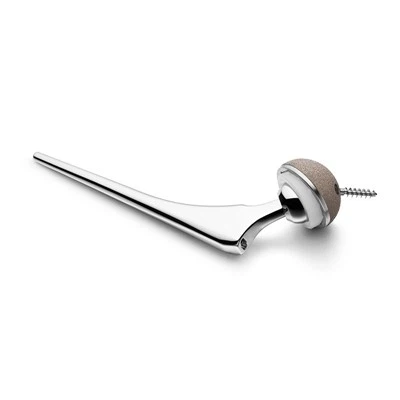
Hey there! As a supplier of DCP plates, I've seen firsthand the importance of these medical devices in trauma surgeries. DCP plates, or Dynamic Compression Plate, play a crucial role in stabilizing fractures and promoting proper bone healing. But like any medical product, there's always room for improvement. In this blog, I'm gonna share some tips on how to boost the performance of a DCP plate.
Understanding the Basics of DCP Plates
Before we dive into the improvement strategies, let's quickly go over what DCP plates are and how they work. DCP plates are made of high - quality materials like titanium or stainless steel. They're designed to provide stable fixation of bone fractures by applying compression across the fracture site. This compression helps in promoting bone healing by bringing the fractured bone ends closer together, enhancing blood flow, and facilitating the formation of new bone tissue.
There are different types of DCP plates available, such as the Clavicle Hook Reconstruction Plate for clavicle fractures and the Calcaneus Plate for calcaneus fractures. Each type is tailored to fit the specific anatomical requirements of the bone it's meant to treat.
Material Selection
One of the key factors that can impact the performance of a DCP plate is the material it's made from. As I mentioned earlier, titanium and stainless steel are the most commonly used materials. Titanium is lightweight, has excellent biocompatibility, and is resistant to corrosion. This makes it a great choice for long - term implantation as it reduces the risk of adverse reactions in the body.
On the other hand, stainless steel is stronger and more rigid than titanium. It can provide greater initial stability, which is important in cases where the fracture requires a high level of support. However, stainless steel is also more prone to corrosion, especially in the presence of body fluids. So, when choosing a material for a DCP plate, it's essential to consider the patient's specific needs, the type of fracture, and the expected duration of implantation.


Design Optimization
The design of a DCP plate can also have a significant impact on its performance. A well - designed plate should fit the anatomy of the bone perfectly. This ensures that the plate can be easily placed on the bone surface without causing any unnecessary stress or damage to the surrounding tissues.
For example, plates with a contoured design can better conform to the shape of the bone, providing a more stable fixation. Additionally, the holes in the plate should be designed in a way that allows for easy insertion of screws and proper distribution of the load. Some modern DCP plates feature variable pitch holes, which can accommodate different screw sizes and angles, providing more flexibility during surgery.
Another aspect of design optimization is the thickness of the plate. A plate that's too thick can be bulky and may cause irritation to the surrounding tissues. On the other hand, a plate that's too thin may not provide sufficient support. Finding the right balance is crucial for optimal performance.
Surface Treatment
Surface treatment is another area where we can improve the performance of a DCP plate. A smooth surface finish can reduce friction between the plate and the bone, minimizing the risk of wear and tear. Additionally, surface treatments can enhance the biocompatibility of the plate.
For example, some plates are coated with a hydroxyapatite layer. Hydroxyapatite is a natural component of bone, and coating the plate with it can promote bone growth and integration. This helps in anchoring the plate more securely to the bone and can improve the overall stability of the fixation.
Surgical Technique
Even the best - designed DCP plate won't perform well if it's not implanted correctly. The surgical technique used to place the plate is extremely important. Surgeons need to ensure that the plate is properly aligned with the fracture site and that the screws are inserted at the correct angles and depths.
Pre - operative planning is also crucial. Using imaging techniques like X - rays, CT scans, or MRI, surgeons can get a detailed view of the fracture and plan the placement of the plate accordingly. This helps in reducing the risk of complications during surgery and can improve the long - term outcome.
Post - operative Care
Once the DCP plate is implanted, proper post - operative care is essential for its optimal performance. Patients need to follow the doctor's instructions regarding weight - bearing, physical therapy, and medication.
Weight - bearing restrictions are usually in place to prevent excessive stress on the plate and the healing bone. Physical therapy helps in restoring the strength and mobility of the affected limb. And taking medications as prescribed can help in managing pain and preventing infections.
Quality Control
As a supplier, I understand the importance of quality control. We have strict quality control measures in place to ensure that every DCP plate we produce meets the highest standards. This includes testing the material properties, checking the dimensions of the plate, and inspecting the surface finish.
We also conduct in - vitro and in - vivo studies to evaluate the performance of our plates. These studies help us in identifying any potential issues and making necessary improvements.
Collaboration with Surgeons
Collaboration with surgeons is key to improving the performance of DCP plates. Surgeons have valuable insights based on their clinical experience. By working closely with them, we can understand their needs and challenges and develop plates that are better suited for real - world applications.
Surgeons can also provide feedback on the performance of the plates in actual surgeries. This feedback can be used to make design modifications, improve the manufacturing process, and develop new products.
Conclusion
Improving the performance of a DCP plate involves a combination of factors, including material selection, design optimization, surface treatment, surgical technique, post - operative care, quality control, and collaboration with surgeons. By focusing on these areas, we can develop DCP plates that provide better stability, promote faster bone healing, and reduce the risk of complications.
If you're in the market for high - quality DCP plates or want to learn more about how we can improve the performance of these devices for your specific needs, I'd love to have a chat with you. Feel free to reach out to start a procurement discussion.
References
- Smith, J. A., & Johnson, B. K. (2018). Advances in Trauma Implant Design. Journal of Orthopedic Research.
- Brown, C. D., & Green, E. F. (2019). Material Selection for Orthopedic Implants. Biomaterials Science.
- White, G. H., & Black, H. I. (2020). Surgical Techniques for DCP Plate Implantation. Clinical Orthopaedics and Related Research.