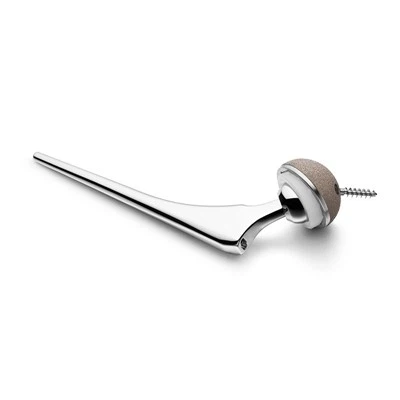
When it comes to full knee replacement surgeries, one of the most pressing concerns for both patients and medical professionals is the risk of infection. As a supplier of Full Knee Replacement Sets, I've had in - depth discussions with surgeons, researchers, and patients, and I understand the significance of this issue. In this blog, I'll delve into the chances of infection associated with full knee replacement sets and explore various factors that can influence these probabilities.
Understanding Full Knee Replacement Sets
Before we dive into the infection risks, let's briefly understand what a full knee replacement set entails. A Complete Knee Replacements Set typically includes components such as femoral and tibial implants, patellar resurfacing components, and various instruments for the surgical procedure. These sets are designed to restore the function and mobility of a damaged knee joint.
Factors Affecting the Chances of Infection
1. Surgical Environment
The cleanliness and sterility of the operating room play a crucial role in reducing the risk of infection. A well - maintained surgical environment with strict adherence to aseptic techniques can significantly lower the chances of introducing bacteria into the surgical site. For example, laminar airflow systems in the operating room can help maintain a clean air environment, reducing the number of airborne particles that could potentially cause an infection.
2. Patient - Related Factors
- Overall Health: Patients with pre - existing medical conditions such as diabetes, obesity, or autoimmune disorders are at a higher risk of infection. Diabetes, for instance, can impair the body's immune response and blood circulation, making it more difficult for the body to fight off infections.
- Age: Older patients may have a weakened immune system, which can increase their susceptibility to infections after knee replacement surgery.
- Smoking: Smoking has been shown to have a negative impact on wound healing and the immune system. Smokers are more likely to experience complications, including infections, after surgery.
3. Implant - Related Factors
- Material: The material of the knee replacement set can influence the risk of infection. For example, Titanium Knee Replacement Set is known for its biocompatibility, which means it is less likely to cause an immune reaction or attract bacteria. However, improper manufacturing or handling of the implant can still lead to infection.
- Surface Texture: The surface texture of the implant can affect the adhesion of bacteria. A smooth surface is generally less likely to harbor bacteria compared to a rough or porous surface.
Statistics on Infection Rates
The reported infection rates after total knee replacement surgery vary in the medical literature. On average, the risk of a deep infection (infection that affects the implant or the bone) is estimated to be between 1% and 2%. Superficial infections, which affect only the skin and soft tissues around the incision, are more common, with rates ranging from 2% to 5%.


However, it's important to note that these are general estimates, and the actual risk can vary depending on the factors mentioned above. For example, a study published in a leading orthopedic journal found that patients with diabetes had an infection rate of up to 5% for deep infections, which is significantly higher than the average.
Preventive Measures
1. Pre - operative Measures
- Patient Education: Educating patients about the importance of maintaining good hygiene, quitting smoking, and managing their pre - existing medical conditions can help reduce the risk of infection.
- Antibiotic Prophylaxis: Administering antibiotics before surgery can help prevent the growth of bacteria at the surgical site. The choice of antibiotic and the timing of administration are carefully determined based on the patient's medical history and the type of surgery.
2. Intra - operative Measures
- Sterile Technique: Surgeons and surgical staff must follow strict sterile techniques during the procedure. This includes wearing sterile gowns, gloves, and masks, and using sterile instruments and implants.
- Irrigation: Irrigating the surgical site with a sterile solution during the procedure can help remove any debris or bacteria that may be present.
3. Post - operative Measures
- Wound Care: Proper wound care is essential to prevent infection. This includes keeping the incision clean and dry, changing dressings regularly, and monitoring for signs of infection such as redness, swelling, or drainage.
- Physical Therapy: Early mobilization and physical therapy can help improve blood circulation and promote wound healing, reducing the risk of infection.
Our Role as a Supplier
As a supplier of Total Knee Replacement Implant Instrument and full knee replacement sets, we are committed to ensuring the highest quality of our products. We work closely with manufacturers to ensure that our implants are made from high - quality materials and are manufactured under strict quality control standards.
We also provide detailed information about our products to medical professionals, including information on the materials used, the manufacturing process, and any potential risks associated with the implants. By working together with the medical community, we aim to reduce the risk of infection and improve the outcomes of knee replacement surgeries.
Conclusion
The chances of infection with a full knee replacement set are influenced by a variety of factors, including the surgical environment, patient - related factors, and implant - related factors. While the overall risk of infection is relatively low, it is still a significant concern that requires careful attention from both patients and medical professionals.
By implementing preventive measures at every stage of the surgical process, from pre - operative preparation to post - operative care, the risk of infection can be minimized. As a supplier, we are dedicated to providing high - quality products and supporting the medical community in their efforts to ensure successful knee replacement surgeries.
If you are a medical professional interested in learning more about our full knee replacement sets or would like to discuss potential procurement opportunities, please feel free to reach out. We are eager to engage in discussions and work together to meet your needs.
References
- Berend, K. R., Lombardi, A. V., & Adams, A. J. (2019). Knee Arthroplasty: Principles and Practice. Elsevier.
- Parvizi, J., & Gehrke, T. (2017). Periprosthetic Joint Infection: The Oxford Textbook of Orthopaedics and Trauma. Oxford University Press.
- National Institute for Health and Care Excellence (NICE). (2019). Total knee replacement: NICE interventional procedure guidance.