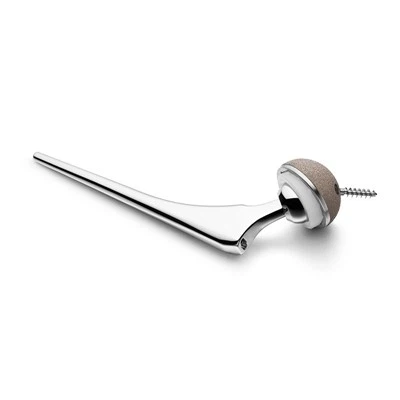
When it comes to treating clavicle fractures in pediatric patients, the use of a Clavicle Locking Plate is a significant consideration in modern orthopedic practice. As a Clavicle Locking Plate supplier, I have witnessed firsthand the importance of understanding the various factors that should be taken into account when using these plates in the pediatric population.
Growth and Development
One of the primary considerations is the ongoing growth and development of pediatric patients. The clavicle is a dynamic bone that continues to grow and change throughout childhood and adolescence. The growth plates, also known as physes, are areas of cartilage at the ends of the bones where new bone is formed. When using a Clavicle Locking Plate, it is crucial to avoid damaging these growth plates, as any interference with their normal function can lead to growth disturbances and limb length discrepancies.
Surgeons need to carefully plan the placement of the plate to ensure that it does not cross the growth plates. This may require the use of specialized techniques and instruments to minimize the risk of injury. Additionally, the choice of plate size and design should be appropriate for the patient's age and skeletal maturity. A plate that is too large or too rigid may restrict normal bone growth and development, while a plate that is too small may not provide adequate stability.
Fracture Type and Location
The type and location of the clavicle fracture also play a crucial role in determining the suitability of a Clavicle Locking Plate. Different fracture patterns may require different treatment approaches, and not all fractures are amenable to plate fixation.
For example, simple fractures with minimal displacement may be treated conservatively with immobilization in a sling or brace. On the other hand, complex fractures, such as those with significant displacement, comminution, or associated neurovascular injuries, may require surgical intervention with a Clavicle Locking Plate.
The location of the fracture within the clavicle is also important. Fractures near the growth plates or at the sternal or acromial ends of the clavicle may present unique challenges and require specialized techniques for plate fixation. Surgeons need to carefully evaluate the fracture pattern and location to determine the most appropriate treatment strategy.
Biomechanics and Stability
Another important consideration is the biomechanics and stability provided by the Clavicle Locking Plate. The plate should be able to provide sufficient stability to allow for proper fracture healing while minimizing the risk of complications such as nonunion, malunion, or hardware failure.
Locking plates are designed to provide a fixed-angle construct that allows for more stable fixation compared to traditional non-locking plates. This is particularly important in pediatric patients, who may have less bone density and weaker soft tissues. The locking screws used in these plates engage with the plate in a fixed manner, preventing the screws from backing out and maintaining the stability of the construct.
However, it is important to note that the use of a Clavicle Locking Plate does not eliminate the need for proper immobilization and rehabilitation. Patients may still require a period of sling or brace immobilization to protect the fracture site and allow for healing. Additionally, physical therapy and rehabilitation exercises are essential to restore strength, range of motion, and function to the shoulder and upper extremity.
Soft Tissue Considerations
In addition to the bone and fracture characteristics, soft tissue considerations are also important when using a Clavicle Locking Plate in pediatric patients. The clavicle is located superficially, and the skin and soft tissues overlying the bone are relatively thin. This can make the surgical approach and plate placement more challenging, as there is a risk of skin irritation, wound healing problems, and infection.
Surgeons need to take care to minimize soft tissue dissection and trauma during the surgical procedure. The use of minimally invasive techniques, such as percutaneous plate fixation, may help to reduce the risk of soft tissue complications. Additionally, proper wound closure and postoperative care are essential to prevent infection and ensure optimal healing.


Patient Age and Compliance
Patient age and compliance are also important factors to consider when using a Clavicle Locking Plate in pediatric patients. Younger patients may have difficulty following postoperative instructions and may be more prone to accidental trauma or displacement of the plate. This can increase the risk of complications and may require more frequent follow-up and monitoring.
On the other hand, older pediatric patients may be more compliant with postoperative care and rehabilitation, which can improve the outcome of the treatment. Surgeons need to assess the patient's age, maturity, and ability to cooperate when making decisions about the use of a Clavicle Locking Plate.
Cost and Availability
Finally, cost and availability are practical considerations that need to be taken into account when using a Clavicle Locking Plate in pediatric patients. The cost of the plate and associated surgical instruments can vary depending on the manufacturer and the specific design. Additionally, the availability of the plate may be limited in some regions, which can affect the ability to provide timely and appropriate treatment.
As a Clavicle Locking Plate supplier, we understand the importance of providing high-quality products at a reasonable cost. We work closely with healthcare providers to ensure that our products are accessible and affordable, while also maintaining the highest standards of safety and efficacy.
Conclusion
In conclusion, the use of a Clavicle Locking Plate in pediatric patients requires careful consideration of multiple factors, including growth and development, fracture type and location, biomechanics and stability, soft tissue considerations, patient age and compliance, and cost and availability. By taking these factors into account, surgeons can make informed decisions about the most appropriate treatment strategy for each patient, ensuring optimal outcomes and minimizing the risk of complications.
If you are interested in learning more about our Clavicle Locking Plates or other orthopedic implants, such as the Proximal Lateral Tibial Locking Plate, Anatomical Locking Plate, or Straight LC Limited Contact Locking Plate, please feel free to contact us to discuss your specific needs and requirements. We look forward to the opportunity to work with you and provide you with the highest quality products and services.
References
- Flynn JM, Bishop JA, Morrissy RT. Rockwood and Wilkins' Fractures in Children. 7th ed. Philadelphia, PA: Lippincott Williams & Wilkins; 2014.
- Green DP, Hotchkiss RN, Pederson WC, et al., eds. Green's Operative Hand Surgery. 6th ed. Philadelphia, PA: Churchill Livingstone; 2011.
- Bucholz RW, Heckman JD, Court-Brown CM, et al., eds. Rockwood and Green's Fractures in Adults. 7th ed. Philadelphia, PA: Lippincott Williams & Wilkins; 2010.