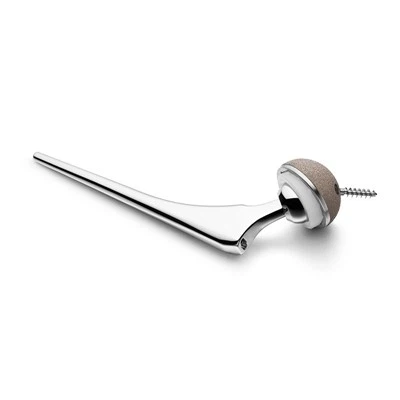
When it comes to the treatment of metacarpal fractures, the T Shape Metacarpal Plate has emerged as a crucial tool in orthopedic surgery. As a leading supplier of high - quality T Shape Metacarpal Plates, I have witnessed firsthand the importance of proper plate placement. In this blog, I will delve into the factors that determine the placement of a T Shape Metacarpal Plate.
1. Fracture Location and Type
The location and type of the metacarpal fracture are fundamental factors in determining plate placement. Different fracture patterns require specific plate positions to achieve optimal stability and healing.
1.1 Fracture Location
Metacarpal fractures can occur at various sites, including the head, neck, shaft, and base of the metacarpal bone. For fractures at the metacarpal head, the plate may need to be placed more distally to provide support and prevent displacement. In contrast, fractures at the base of the metacarpal often require proximal placement of the plate to ensure proper alignment and fixation.


For example, a fracture near the metacarpophalangeal joint (MCP) may demand a plate that is carefully positioned to avoid interfering with joint movement. The T Shape design allows for flexibility in placement around the joint area, enabling surgeons to adapt to the specific anatomical requirements of the fracture site.
1.2 Fracture Type
The type of fracture, such as transverse, oblique, or comminuted, also influences plate placement. Transverse fractures typically require a plate that can span the fracture site and provide direct compression across the fracture line. The T Shape Metacarpal Plate can be placed perpendicular to the fracture line to achieve this goal.
Oblique fractures may need a plate that is angled to match the orientation of the fracture. The T Shape design can be adjusted to fit the oblique angle, providing better stability and preventing rotational forces that could disrupt the healing process.
Comminuted fractures, which involve multiple bone fragments, pose a greater challenge. In such cases, the plate may need to be placed in a way that bridges the fragmented area and provides support to all the bone segments. The T Shape Metacarpal Plate's ability to be contoured and its multiple screw holes allow for customized fixation, ensuring that each fragment is properly secured.
2. Anatomical Considerations
The unique anatomy of the hand and the metacarpal bones plays a significant role in plate placement. Surgeons must take into account the shape, size, and orientation of the metacarpal bones, as well as the surrounding soft tissues.
2.1 Bone Morphology
The metacarpal bones have a distinct shape, with a convex dorsal surface and a concave palmar surface. The T Shape Metacarpal Plate is usually placed on the dorsal side of the metacarpal bone because it provides better access for surgical implantation and allows for a more stable fixation. The dorsal surface also has more available space for plate placement without interfering with the flexor tendons on the palmar side.
However, the curvature of the metacarpal bone must be considered. The plate may need to be pre - contoured to match the natural curvature of the bone to ensure a snug fit and optimal contact between the plate and the bone surface. This helps to distribute the load evenly and reduces the risk of stress concentration, which could lead to plate failure or bone resorption.
2.2 Soft Tissue Structures
The surrounding soft tissues, such as tendons, nerves, and blood vessels, must be carefully protected during plate placement. Plates should be positioned in a way that avoids impinging on these structures. For example, the extensor tendons on the dorsal side of the hand are at risk of irritation or damage if the plate is not properly placed. Surgeons need to ensure that there is sufficient clearance between the plate and the tendons to prevent postoperative complications such as tendon rupture or adhesions.
Similarly, the neurovascular bundles in the hand need to be identified and avoided. The T Shape design allows for strategic placement of the plate to minimize the risk of injury to these important structures, ensuring the overall safety and functionality of the hand after surgery.
3. Biomechanical Factors
Biomechanics plays a crucial role in determining the effectiveness of plate placement. The T Shape Metacarpal Plate must be positioned to withstand the forces acting on the metacarpal bone during normal hand function.
3.1 Load Distribution
The hand is subjected to various forces during activities such as gripping, pinching, and grasping. The plate should be placed in a way that distributes these forces evenly across the bone and the plate. A well - placed plate can help to transfer the load from the fractured bone segments to the plate, reducing the stress on the fracture site and promoting healing.
The T Shape design of the plate provides multiple points of fixation, which helps to distribute the load more effectively. By using multiple screws at different locations on the plate, the forces are spread out, preventing excessive stress on any single point. This is particularly important in cases where the hand will be subjected to high - stress activities during the healing process.
3.2 Rotational Stability
Rotational stability is essential for proper bone healing and functional recovery. The T Shape Metacarpal Plate can be placed to resist rotational forces that could cause malalignment of the fracture fragments. By positioning the plate at an appropriate angle and using screws to secure it firmly to the bone, rotational stability can be achieved.
For example, in a fracture with a high risk of rotation, the plate can be placed in a way that creates a stable axis of rotation, preventing the fragments from rotating relative to each other. This helps to maintain the correct alignment of the bone and improves the chances of a successful outcome.
4. Surgeon's Experience and Preference
The experience and preference of the surgeon also influence plate placement. Experienced surgeons may have developed their own techniques and strategies based on their past cases and surgical outcomes.
Some surgeons may prefer a more conservative approach, placing the plate in a standard position that has been proven to be effective in most cases. Others may be more willing to adapt to the specific needs of the patient and the fracture, using their expertise to customize the plate placement.
The availability of different types of T Shape Metacarpal Plates, such as the T Shape Maxillofacial Plate and the 1.5 mm T - shape Locking Plate, also allows surgeons to choose the most suitable plate for each case. The locking mechanism in the 1.5 mm T - shape Locking Plate, for example, may be preferred by some surgeons for its enhanced stability and reduced risk of screw loosening.
5. Patient - Specific Factors
Patient - specific factors, such as age, hand dominance, and activity level, can also impact plate placement.
5.1 Age
In younger patients, the bone has a greater capacity for healing, but the growth plates may need to be considered. Plate placement should avoid interfering with the growth plates to prevent any long - term growth disturbances. In older patients, the quality of the bone may be compromised, and the plate may need to be placed more carefully to ensure adequate fixation.
5.2 Hand Dominance
For patients who are right - handed or left - handed, the surgeon may need to take into account the increased use of the dominant hand. This may influence the choice of plate placement to ensure that the hand can regain its full function as quickly as possible. For example, if the dominant hand is affected, the plate may be placed in a position that allows for earlier mobilization and rehabilitation.
5.3 Activity Level
Patients with a high activity level may require a more robust plate placement to withstand the increased forces during their daily activities. The plate may need to be placed in a way that provides maximum stability and durability. On the other hand, patients with a lower activity level may have more flexibility in plate placement, as the forces acting on the hand are relatively lower.
In conclusion, the placement of a T Shape Metacarpal Plate is a complex decision that involves multiple factors. As a supplier of these plates, we understand the importance of providing high - quality products that can meet the diverse needs of surgeons and patients. Our T Shape Metacarpal Plates are designed to be versatile and adaptable, allowing for customized placement based on the specific requirements of each case. If you are interested in our T Shape Metacarpal Plates or our other products such as the L Shape Metacarpal Plate, please feel free to contact us for further information and to discuss your procurement needs.
References
- Bucholz RW, Heckman JD, Court - Brown CM, eds. Rockwood and Green's Fractures in Adults. 7th ed. Philadelphia, PA: Lippincott Williams & Wilkins; 2010.
- Jupiter JB, Ring D. Fractures of the hand and wrist. In: Canale ST, Beaty JH, eds. Campbell's Operative Orthopaedics. 12th ed. Philadelphia, PA: Elsevier; 2012:1829 - 1968.
- Melone CP Jr. Fractures of the metacarpals and phalanges. In: Browner BD, Jupiter JB, Levine AM, Trafton PG, eds. Skeletal Trauma: Fractures, Dislocations, Ligamentous Injuries. 4th ed. Philadelphia, PA: Saunders; 2008:1377 - 1422.