Osteoporosis is a prevalent skeletal disorder characterized by reduced bone mass and micro - architectural deterioration of bone tissue, leading to enhanced bone fragility and a heightened risk of fractures. When osteoporotic patients contemplate undergoing a full knee replacement set surgery, there are several significant risks that both patients and medical professionals need to carefully consider. As a Full Knee Replacement Set supplier, I have seen firsthand the complexities of such surgeries and understand the importance of being aware of these potential hazards.
1. Intra - operative Risks
- Bone Fractures: Osteoporotic bones are inherently weaker. During the full knee replacement procedure, the surgical team needs to cut and reshape the bone to fit the prosthetic components. In osteoporotic patients, the bones are more likely to fracture during these bone - cutting and preparation steps. This can lead to improper alignment of the knee joint replacement, causing suboptimal function of the knee and increasing the risk of long - term complications such as implant loosening and abnormal wear.
- Bleeding: The decreased bone density in osteoporosis can also affect the vascularity of the bone. The bones may have disrupted blood vessel networks, and this can result in more significant bleeding during the surgery. Excessive blood loss can lead to a range of complications, including anemia, which may delay the patient's recovery and increase the risk of post - operative infections due to a weakened immune system.
2. Implant - Related Risks
- Implant Loosening: A well - fixed implant is crucial for the long - term success of a knee replacement. In osteoporotic patients, the porous and weak bone provides a less stable foundation for the implant. Over time, the implant may not integrate properly with the bone, leading to loosening. Loosening of the implant can cause pain, limited mobility, and may ultimately require a revision surgery. Our Titanium Knee Replacement Set is designed to have better immediate stability, but the challenges posed by osteoporosis still remain significant.
- Inappropriate Fit: Osteoporotic bones may have irregular shapes and densities. This can make it difficult to select the right - sized and - shaped implant. An improperly fitting implant can place uneven stress on the surrounding bone and soft tissues, leading to accelerated wear and tear. Dislocation of the implant may also occur if the fit is not optimal, which often requires additional surgical intervention.
3. Post - operative Risks
-
Infection: Osteoporotic patients are at a higher risk of post - operative infections. The compromised bone structure and potential immunosuppression associated with osteoporosis can impair the body's ability to fight off bacteria introduced during the surgery. Infections can range from superficial wound infections to deep - seated infections involving the implant, which are difficult to treat and may require removal of the implant in some cases.


-
Delayed or Non - Union of Bone: After a knee replacement, the bone needs to heal around the implant to provide stability. In osteoporotic patients, the natural bone - healing process can be significantly impaired. Delayed union means that the bone takes longer to heal, prolonging the patient's recovery time and increasing the risk of implant - related complications. Non - union occurs when the bone fails to heal completely, which may lead to implant failure and the need for further surgical procedures.
-
Limited Functional Recovery: Due to the pre - existing bone weakness and associated comorbidities in osteoporotic patients, achieving a full range of motion and normal function after knee replacement surgery can be challenging. Muscles around the knee may also be weaker, and the patient may have difficulty regaining the strength and mobility needed for daily activities. This can have a significant impact on the patient's quality of life and may require more intensive and prolonged physical therapy.
4. Anesthetic and Systemic Risks
- Anesthetic Complications: Osteoporotic patients often have other comorbidities such as cardiovascular diseases and osteoporosis - related vertebral fractures that can affect their general health. These conditions can increase the risk of complications during anesthesia, such as hypotension, arrhythmias, and respiratory problems. The anesthetic team needs to carefully assess the patient's overall health status and choose the most appropriate anesthetic technique to minimize these risks.
- Systemic Complications: The stress of surgery can trigger systemic responses in osteoporotic patients. For example, there may be an increased risk of deep vein thrombosis (DVT) due to reduced mobility during the post - operative period. DVT can lead to pulmonary embolism, a life - threatening condition. Additionally, the body's metabolic and hormonal balance may be disrupted, which can further affect bone health and overall recovery.
5. Considerations for Surgeons and Patients
- Pre - operative Assessment: A comprehensive pre - operative assessment is essential for osteoporotic patients. This includes evaluating the bone mineral density, assessing the overall health status, and identifying any comorbidities. Surgeons need to carefully plan the surgery, taking into account the patient's bone quality and choose the most suitable implant. Our Total Knee Replacement Implant Instrument provides surgeons with a range of options to ensure a more precise and customized surgical approach.
- Patient Education: Patients need to be well - informed about the risks associated with the surgery. They should understand the importance of pre - operative and post - operative care, such as taking medications to improve bone health, adhering to physical therapy regimens, and following a balanced diet rich in calcium and vitamin D. Clear communication between the surgical team, the patient, and the patient's family is crucial to ensure compliance with the treatment plan.
6. Role of the Supplier
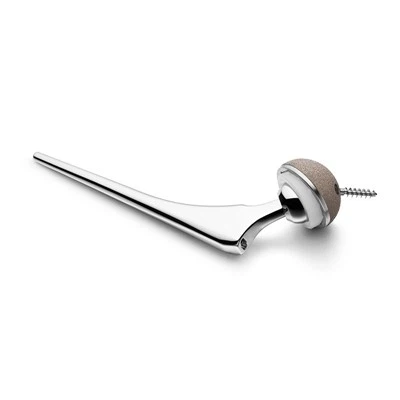
As a Full Knee Replacement Set supplier, we play an important role in ensuring the safety and effectiveness of the products used in these surgeries. Our products are designed with high - quality materials and advanced manufacturing techniques to meet the specific needs of osteoporotic patients as well as provide support to medical professionals. We also offer Hip Replacement Implant Surgical Instrument for related joint replacement surgeries.
We are committed to continuous research and development to improve the design of our knee replacement sets, taking into account the challenges posed by osteoporosis. We work closely with medical institutions and research teams to gather feedback and make necessary improvements to our products.
7. Conclusion
Osteoporotic patients facing a full knee replacement set surgery encounter a multitude of risks, from intra - operative challenges to long - term post - operative complications. However, with careful pre - operative assessment, appropriate surgical planning, and rigorous post - operative care, many of these risks can be mitigated. As a supplier, we are dedicated to providing high - quality products that can contribute to the success of these surgeries.
If you are a medical institution or a professional interested in our Full Knee Replacement Set products or have any questions regarding our offerings, please feel free to contact us to start a procurement discussion. We are eager to provide you with detailed product information and support to meet your needs.
References
- Kanis JA, McCloskey EV, Johansson H, et al. A reference standard for the description of osteoporosis. Bone. 2019;122:141 - 147.
- Bozic KJ, Kurtz SM, Lau E, Ong K, Zhao K, Wang C. The epidemiology of revision total knee arthroplasty in the United States. J Bone Joint Surg Am. 2009;91(4):774 - 781.
- Nie C, et al. Risk factors for prosthetic joint infection following total knee arthroplasty: A systematic review and meta - analysis. PLoS One. 2017;12(11):e0187033.