Hey there! As a supplier of DCP plates, I often get asked about the response time of these plates. So, I thought I'd write this blog to share some insights on this topic.
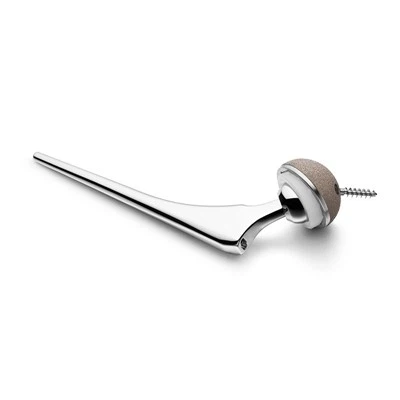
First off, let's quickly go over what a DCP plate is. DCP stands for Dynamic Compression Plate. It's a type of orthopedic implant used in trauma surgery to fix fractures. These plates are designed to provide stability and help in the healing process of broken bones. There are different types of DCP plates, like the Clavicle Hook Reconstruction Plate, Calcaneus Plate, and the Dynamic Compression Plate itself. Each type is tailored to specific bones and fracture situations.
Now, getting to the main question - what is the response time of a DCP plate? Well, the response time can be looked at from two main angles: the biological response of the body to the plate and the time it takes for the plate to start doing its job effectively.
Biological Response
When a DCP plate is implanted in the body, the body immediately starts to recognize it as a foreign object. This triggers an immune response. In the first few hours after surgery, there's an influx of immune cells to the site of the implant. These cells are trying to figure out what this new thing is and if it's a threat.
Within the first 24 - 48 hours, there's some inflammation around the plate. This is a normal part of the body's healing process. The blood vessels in the area dilate, and there's an increased blood flow. This brings in more nutrients and oxygen, which are essential for the healing of the fractured bone. The body also starts to form a fibrin clot around the plate and the fracture site. This clot acts as a scaffold for the growth of new cells.
Over the next few days to weeks, fibroblasts start to migrate to the area. These cells are responsible for producing collagen, which is a key component of the new bone tissue. As the collagen is laid down, it starts to connect the broken ends of the bone and the plate. This is when the real integration of the plate with the bone begins.
By about 2 - 3 weeks, there's usually some early signs of bone healing. The body has started to remodel the bone around the plate. Osteoblasts, which are bone - forming cells, start to lay down new bone on the surface of the plate and in the fracture gap. At this stage, the plate is starting to become more firmly attached to the bone.
It takes around 6 - 12 weeks for the bone to reach a stage where it has significant strength. During this time, the body continues to remodel the bone, making it stronger and more like the original bone. The plate is gradually becoming a part of the bone - plate complex, and the bone is starting to regain its function.
Functional Response
In terms of the plate's function, it starts to provide some stability right away. Once it's properly fixed to the bone with screws, it helps to hold the broken bone fragments in place. This reduces the movement between the fragments, which is crucial for proper healing.
In the first few days after surgery, the plate mainly acts as a mechanical support. It prevents the bone from shifting out of alignment, which could lead to a non - union or a mal - union of the fracture. As the bone starts to heal and integrate with the plate, the plate's role changes a bit. It starts to share the load with the bone.
By the end of the first week, the plate is usually working in tandem with the bone to support the normal activities of the limb, to a certain extent. Of course, the patient still has to follow the doctor's instructions about weight - bearing and movement. But the plate is helping to keep the bone stable and allowing the healing process to progress smoothly.
Factors Affecting Response Time
There are several factors that can affect the response time of a DCP plate.
Patient - related Factors
- Age: Younger patients generally have a faster response time. Their bodies are more efficient at healing. The cells in their bones are more active, and the blood supply to the bones is better. For example, a child may heal a fracture with a DCP plate in a much shorter time compared to an elderly person.
- Overall Health: Patients with good overall health, no underlying medical conditions like diabetes or osteoporosis, tend to have a better and faster response. Diabetes can affect blood circulation and the body's ability to fight infections, which can slow down the healing process. Osteoporosis weakens the bones, making it harder for the bone to integrate with the plate.
- Nutrition: A well - nourished patient has an advantage. Adequate intake of calcium, vitamin D, and protein is essential for bone healing. If a patient is malnourished, the body may not have the necessary building blocks to form new bone tissue around the plate.
Surgical Factors
- Surgical Technique: How well the surgery is performed matters a lot. If the plate is not properly positioned or the screws are not tightened correctly, it can affect the plate's function. For example, if the plate is too loose, it may not provide enough stability, and the bone fragments may move. On the other hand, if the screws are over - tightened, it can damage the bone around the screw holes.
- Infection: A surgical site infection can significantly delay the response time. If bacteria get into the area during surgery, it can cause a lot of problems. The body has to focus on fighting the infection instead of healing the bone. In some cases, if the infection is severe, the plate may have to be removed, which is a whole new set of complications.
Our Role as a Supplier
As a DCP plate supplier, we understand the importance of these factors. We make sure that our plates are of the highest quality. We use the best materials, like titanium or stainless steel, which are biocompatible. This means they cause less of an immune response in the body.
We also work closely with surgeons to ensure that the plates are the right fit for different patients and fracture types. Our R & D team is constantly researching and developing new designs to improve the performance of our plates. For example, we're looking at ways to make the plates more porous, which could potentially improve the integration of the plate with the bone.
Conclusion
So, in summary, the response time of a DCP plate is a complex process that involves both the biological response of the body and the functional response of the plate. It starts with an immediate immune reaction, followed by a series of biological events over weeks to months that lead to bone healing and integration of the plate. The plate also starts to provide stability right away and continues to support the bone as it heals.
If you're in the medical field and are interested in our DCP plates, whether it's the Clavicle Hook Reconstruction Plate, Calcaneus Plate, or the Dynamic Compression Plate, we'd love to have a chat with you. We can provide more detailed information about our products and discuss how they can meet your specific needs. Don't hesitate to reach out for a procurement discussion.


References
- Orthopaedic Basic Science: Biology and Biomechanics of the Musculoskeletal System. American Academy of Orthopaedic Surgeons.
- Fracture Healing: Biology and Intervention. Springer.